


OVERVIEW
A dental sealant is a thin, protective coating applied to the chewing surfaces of teeth, acting as a formidable shield against tooth decay. By quickly bonding to the depressions and grooves of the teeth, it forms a reliable barrier over the enamel of each tooth. Dental professionals often recommend applying sealants to newly erupted molars and premolars, safeguarding these vulnerable areas from the threat of cavities.
Advantages
Dental sealants offer a fast and painless solution to safeguarding teeth against cavities. Once applied, they boast an impressive track record of protecting teeth against up to 80% of cavities for a period of up to two years. This simple procedure becomes particularly crucial for children, as nearly 90% of cavities are known to occur in their permanent molars or back teeth. By getting dental sealants on these teeth as soon as they erupt, parents can provide their children with an early and effective defense against dental decay.

OUR PROCEDURE
How it Works
Thorough Cleaning
The teeth undergo meticulous cleaning to ensure that the surfaces are free from debris and plaque.
Drying
Each tooth to be sealed is carefully dried using cotton or gauze, creating an optimal environment for the sealant application.
Chemical Roughening
An acid solution is delicately placed on the grooves of the teeth, gently roughening the surface to enhance the sealant’s adhesion.
Rinsing and Drying
The teeth are then thoroughly rinsed to remove any residual acid, followed by gentle air drying.
Sealant Application
The dental sealant is skillfully applied onto the enamel of the teeth, where it bonds directly to the grooves and subsequently hardens. This process ensures a secure and long-lasting protection against cavities. A specialized light-curing machine is utilized to expedite the hardening process, making it both efficient and effective.
Maintenance and Reapplication
While dental sealants provide robust protection, they may require reapplication over time, especially if they break or wear down. Regular visits to the dentist for general check-ups are essential not only for reapplication but also for maintaining optimal oral health.
FEATURED CASES
Before & After
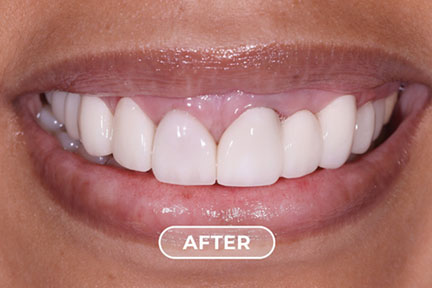
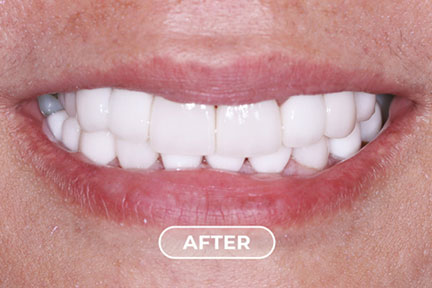
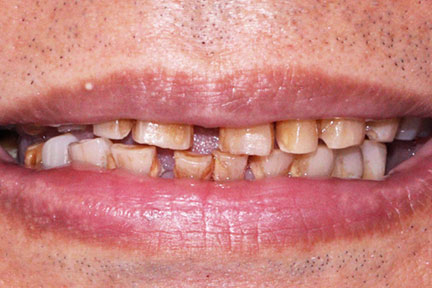
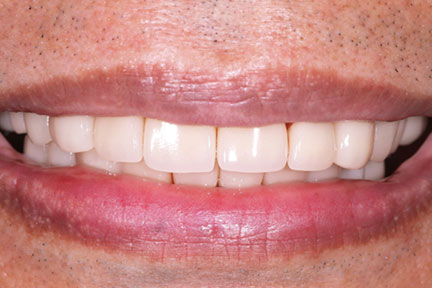
Tooth discoloration is when the color of your teeth change. They don’t look as bright or white as they should. Your teeth may darken, turn from white to different colors, or develop white or dark spots in places.
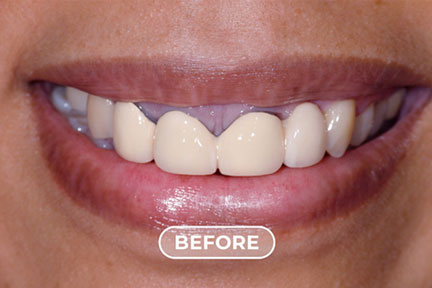
BEFORE
AFTER
Discolored Teeth, Old Restorations
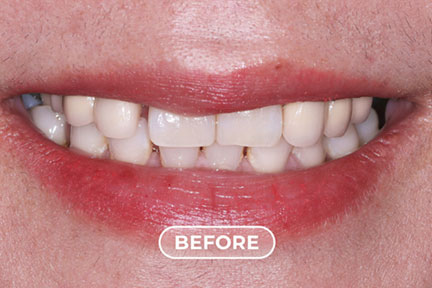
BEFORE
AFTER
Uneven Teeth Shape, Discolored Teeth
BEFORE
AFTER
Uneven Teeth Shape, Discolored Teeth
ABOUT SEALANT
Frequently Asked Questions
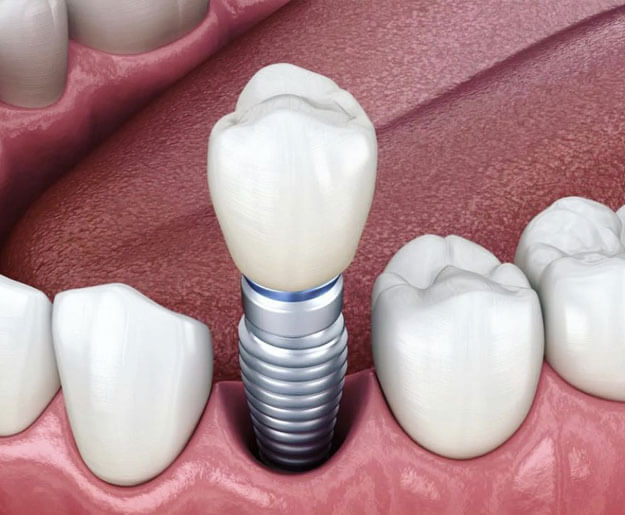
A dental implant is a titanium post placed into the jawbone to replace the root of a missing tooth and support a dental crown. Unlike dentures or bridges, implants fuse with the bone, providing a stable, long-lasting solution that looks and functions like a natural tooth.
We offer Osstem and Megagen dental implant systems, both globally recognized for their quality, safety, and long-term success. Osstem implants are known for their reliability and excellent clinical track record, while Megagen implants feature advanced design technology that promotes faster healing and improved stability.
The procedure is performed under local anesthesia, so patients usually feel minimal discomfort during the treatment. Mild soreness after the procedure is normal and can be managed with prescribed or over-the-counter medication.
The process is done in two main phases. First, the implant (a small titanium post) is placed into the jawbone, and it is allowed to heal and fuse with the bone over 3 to 6 months to create a strong foundation.
Once healing is complete, a connector and custom crown are placed on the implant to restore the appearance and function of your missing tooth. The final result looks, feels, and functions like a natural tooth.
Most adults with healthy gums and sufficient bone support are good candidates for dental implants. A dental evaluation and imaging are needed to determine if implants are the right option for you.
ABOUT DENTAL IMPLANTS
Care Instructions

Post-Implant Follow-up & Maintenance
After the dental implant procedure, regular check-ups with the dentist every four months are essential. During these follow-up treatments, the dentist will monitor the health of the individual implants, clean around the abutments and dental restorations, and ensure proper oral hygiene is maintained.

Risk Factors & Factors
- Heavy Smoking: Smoking can hinder the healing process and negatively affect the integration of the implant with the jawbone.
- Excessive Alcohol Intake: Alcohol abuse can compromise the body’s ability to heal and may lead to implant failure.
- Periodontal Gum Disease: Untreated gum disease can weaken the surrounding tissues and jeopardize the stability of dental implants.
- Immuno-compromised Individuals: Patients with compromised immune systems may experience difficulties in healing and may have an increased risk of implant failure.
- Teeth Grinding (Bruxism): Habitual teeth grinding or clenching can exert excessive force on the implants, potentially leading to damage or failure.
In conclusion, dental implants offer a revolutionary and effective solution for replacing missing teeth. With their natural appearance, functional benefits, and long-term reliability, dental implants provide patients with the confidence to smile, speak, and eat without worry. By following the proper oral care routine and attending regular dental check-ups, patients can enjoy the full benefits of dental implants for a lifetime.
Not sure which treatment is right for you?
