


OVERVIEW
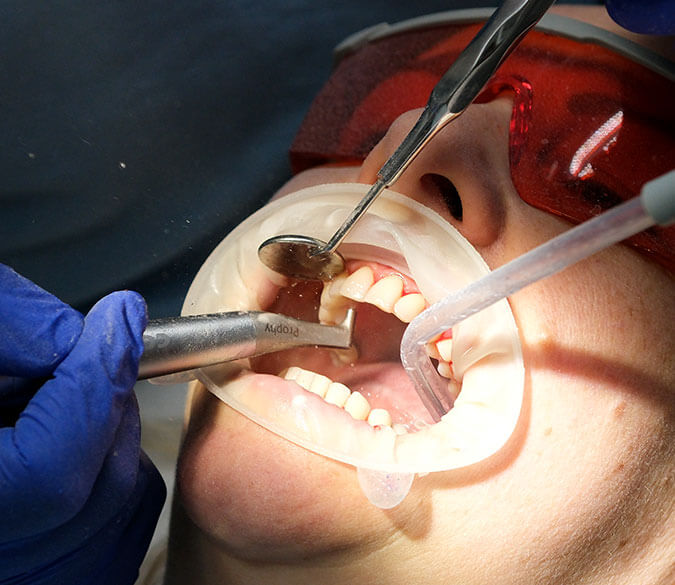
Oral prophylaxis is a vital dental procedure designed to maintain the health of your teeth and gums by eliminating plaque and tartar buildup. This comprehensive method encompasses three crucial steps: tooth scaling, tooth polishing, and debridement, all aimed at achieving a clean, smooth, and shiny smile.
The process of oral prophylaxis begins with the use of an ultrasonic scaler, a highly effective machine that gently and efficiently removes plaque and tartar. Employing gentle vibrations, the ultrasonic scaler dislodges hardened debris from the teeth, while a fine mist of water washes away the dislodged particles, leaving your teeth feeling fresh and rejuvenated. Additionally, flossing is an integral part of the procedure, further eliminating debris from hard-to-reach areas, ensuring a thorough clean.
Following the scaling process, the dentist proceeds with tooth polishing, utilizing a specialized prophylaxis paste and brush. This step goes beyond mere cleaning, as it smoothens the tooth surfaces, making it more difficult for plaque to adhere in the future. The result? A radiant, glossy finish that enhances your smile’s appearance.
Key Benefits
- Prevents Tooth Decay
- Prevents Gum Disease
- Fresher Breath
- Brightens and Polishes Teeth
- Early Detection of Dental Issues
- Maintains Oral Health
- Improves Confidence
- Saves Money
- Promotes Overall Health
- Preserves Natural Teeth
OUR PROCEDURE
How it Works
01
Diagnostic Records
The dentist will closely inspect the decay on the tooth, and with the aid of diagnostic tools such as radiographs, determine if the tooth is a good candidate for direct composite fillings.
02
Removal of Tooth Decay
Depending on the depth and extent of the cavity, a local anesthetic may be applied to reduce the sensitivity and make the procedure more pleasant and comfortable.
Afterward, all the decayed parts and affected areas of the tooth will be thoroughly cleaned and properly prepared to receive a filling material.
03
Filling and Polishing of the Tooth
Then, a composite filling material is used to fill and seal the cavities in the tooth. The filling material will be shaped, carved, and color-matched resembling the natural look of the patient’s tooth.
After applying the dental filling, a light curing machine is used to cure and harden the composite filling material. Lastly, the dentist will trim, adjust the bite, and polish the tooth, completing the entire procedure!
The dentist will closely inspect the decay on the tooth, and with the aid of diagnostic tools such as radiographs, determine if the tooth is a good candidate for direct composite fillings.
01
Depending on the depth and extent of the cavity, a local anesthetic may be applied to reduce the sensitivity and make the procedure more pleasant and comfortable.
Afterward, all the decayed parts and affected areas of the tooth will be thoroughly cleaned and properly prepared to receive a filling material.
02
Then, a composite filling material is used to fill and seal the cavities in the tooth. The filling material will be shaped, carved, and color-matched resembling the natural look of the patient’s tooth.
After applying the dental filling, a light curing machine is used to cure and harden the composite filling material. Lastly, the dentist will trim, adjust the bite, and polish the tooth, completing the entire procedure!
This 3-D treatment plan shows the movement required for the teeth to achieve the desired end result.
03
FEATURED CASES
Before & After
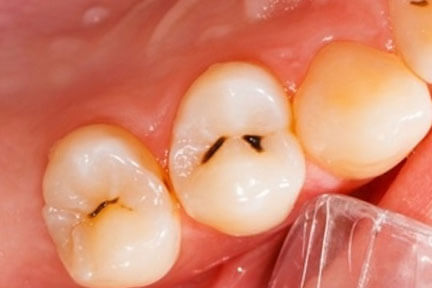
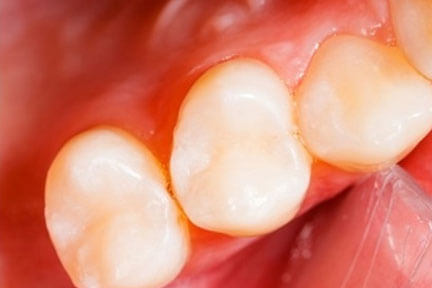
BEFORE
AFTER
ABOUT ORAL PROPHYLAXIS
Frequently Asked Questions
Answer
Answer
Answer
Answer
Answer
BEFORE & AFTER
Care Instructions

Instructions
- Clean regularly. Rinse the aligners every night and brush them gently with a toothbrush to keep them fresh and clean. Cleaning tablets that dissolve in water can also be used to clean the aligners. However, avoid using harsh chemicals to clean the aligners.
- Remove before eating. Invisalign aligners are not made to withstand the pressure of chewing. To avoid damaging the aligners and disrupting the treatment timeline, it is important to remove the Invisalign aligners before eating.
- Avoid drinking hot drinks. Invisalign aligners are made of a thermoplastic material that can be distorted and damaged by heat.
- Store in a cool, dry and safe place. Store the Invisalign clear aligners in the case provided when they are not being worn.
Not sure which treatment is right for you?
