


OVERVIEW
Removable partial dentures are used to replace a single tooth or missing multiple teeth. This denture is composed of the artificial teeth attached to a pink or gum-colored base made of acrylic. Sometimes this base is connected to a metal framework that holds the denture in place inside the mouth.
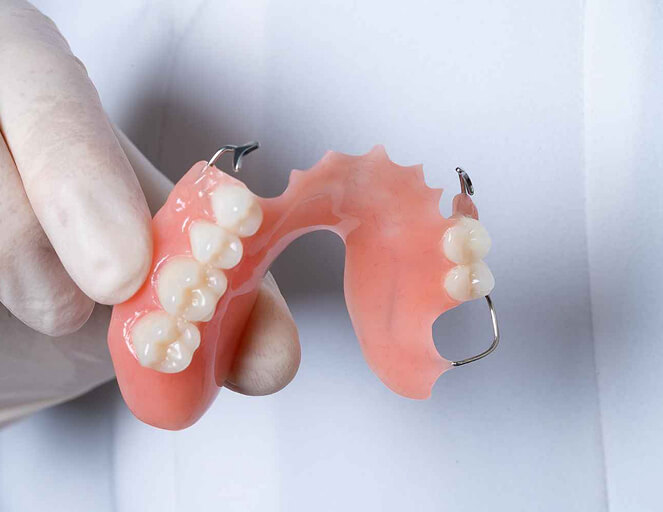
Pros and Cons of Removable Partial Dentures
TYPES
Different Types of Removable Partial Dentures
Thermosen/ Flexite Partial Denture
One-Piece Casting With Lucitone Partial Denture
Stay Plate (Wire Clasp) Partial Denture
Precision Attachment Partial Denture
Precision attachment partial dentures connect removable partial dentures to a fixed bridgework under a male/female locking mechanism. Some advantages to this type of partial denture include maintainable periodontal health, less force on abutment teeth, better cosmetic appearance, longevity, and stability.
OUR PROCEDURE
How it Works
01
Examination of the Teeth
The procedure for installing a dental bridge normally takes 2 to 3 separate visits. At the first appointment, the dentist examines the adjacent teeth to make sure that they can support a dental bridge. X-rays of the surrounding tooth and bone are also taken.
02
Preparation of the Teeth
03
Placement of the Temporary Dental Bridge
04
Trial and Installation of the Final Dental Bridge
01
02
03
Once the permanent bridge is ready, the patient is called in for a second visit. During this appointment, the dentist will test the fit, shade, and position of the dental bridge on the patient's mouth. Once everything is perfect, the final bridge is bonded to the teeth using permanent cement. After cementation, the dentist will provide hygiene information to maintain the performance and longevity of the dental bridge and preserve the health of the teeth and gums.
04
FEATURED CASES
Before & After
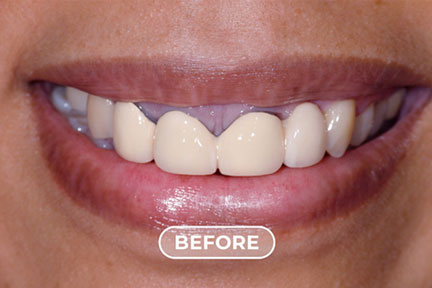
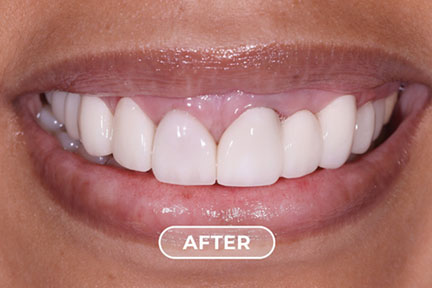
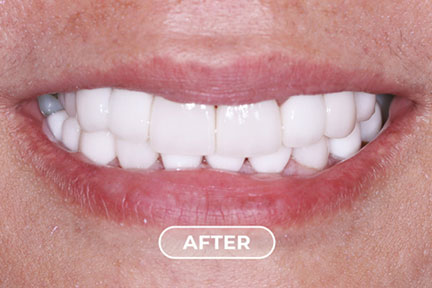
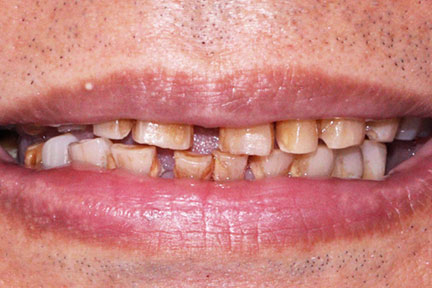
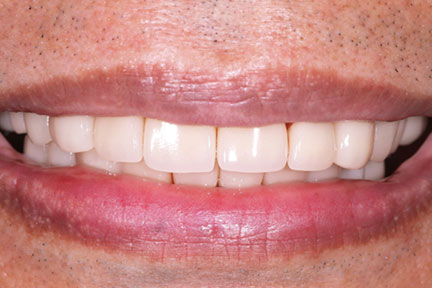
Tooth discoloration is when the color of your teeth change. They don’t look as bright or white as they should. Your teeth may darken, turn from white to different colors, or develop white or dark spots in places.
BEFORE
AFTER
Discolored Teeth, Old Restorations
BEFORE
AFTER
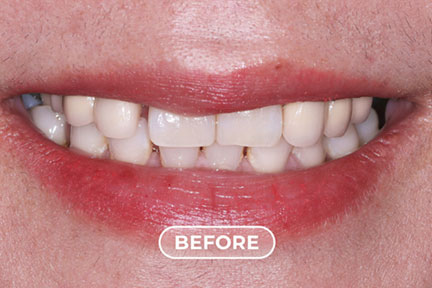
Uneven Teeth Shape, Discolored Teeth
BEFORE
AFTER
Uneven Teeth Shape, Discolored Teeth
ABOUT DENTURES
Frequently Asked Questions
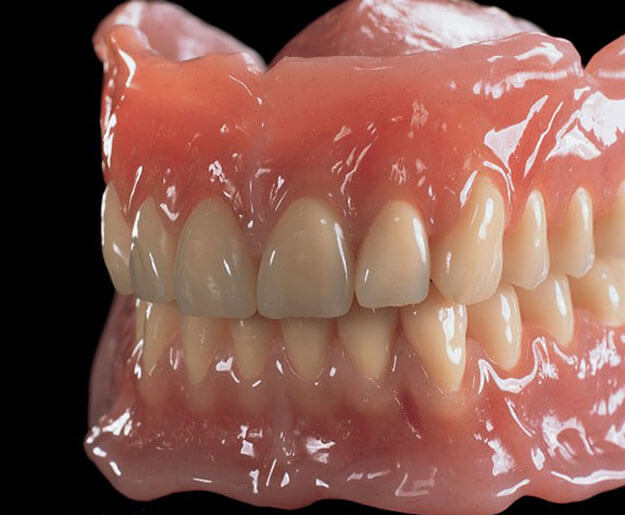
Dentures are custom-made restorations designed to replace missing teeth and restore your smile, bite, and facial support. They are carefully crafted to provide both natural aesthetics and comfortable function.
We offer premium denture materials including Ivocap, Lucitone, Flexite, and ThermoSens, each selected for their durability, comfort, and natural appearance.
- Partial dentures are used when some natural teeth remain, and they are designed to fill the gaps while preserving your existing teeth. Full dentures replace all teeth in the upper or lower arch, restoring complete function and smile aesthetics.
The process typically takes several appointments over a few weeks to ensure precise fit, comfort, and appearance. Each step is customized to achieve optimal function and a natural-looking result.
Yes, dentures allow you to eat and speak more comfortably after tooth loss. There is a short adjustment period, after which most patients regain normal function and confidence.
Dentures typically last 5 to 10 years, depending on the material, fit, and how well they are maintained. Regular dental visits are important to ensure proper fit and long-term comfort.
ABOUT DENTAL IMPLANTS
Care Instructions

Post-Implant Follow-up & Maintenance
After the dental implant procedure, regular check-ups with the dentist every four months are essential. During these follow-up treatments, the dentist will monitor the health of the individual implants, clean around the abutments and dental restorations, and ensure proper oral hygiene is maintained.

Risk Factors & Factors
- Heavy Smoking: Smoking can hinder the healing process and negatively affect the integration of the implant with the jawbone.
- Excessive Alcohol Intake: Alcohol abuse can compromise the body’s ability to heal and may lead to implant failure.
- Periodontal Gum Disease: Untreated gum disease can weaken the surrounding tissues and jeopardize the stability of dental implants.
- Immuno-compromised Individuals: Patients with compromised immune systems may experience difficulties in healing and may have an increased risk of implant failure.
- Teeth Grinding (Bruxism): Habitual teeth grinding or clenching can exert excessive force on the implants, potentially leading to damage or failure.
In conclusion, dental implants offer a revolutionary and effective solution for replacing missing teeth. With their natural appearance, functional benefits, and long-term reliability, dental implants provide patients with the confidence to smile, speak, and eat without worry. By following the proper oral care routine and attending regular dental check-ups, patients can enjoy the full benefits of dental implants for a lifetime.
Not sure which treatment is right for you?
