


OVERVIEW
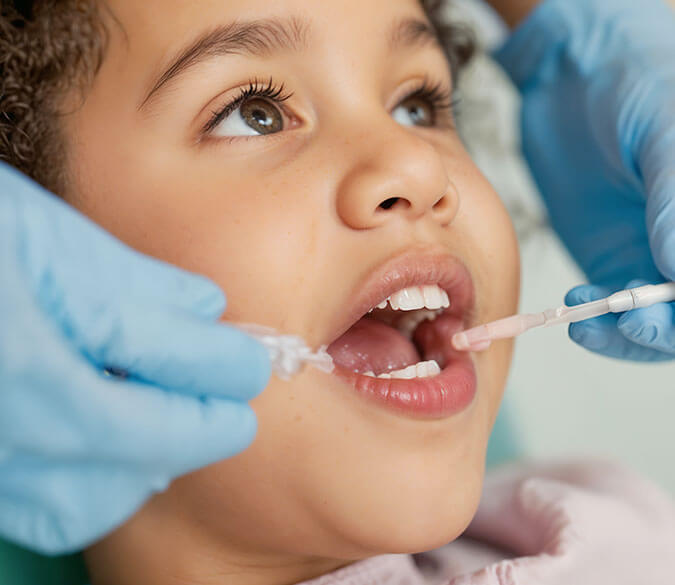
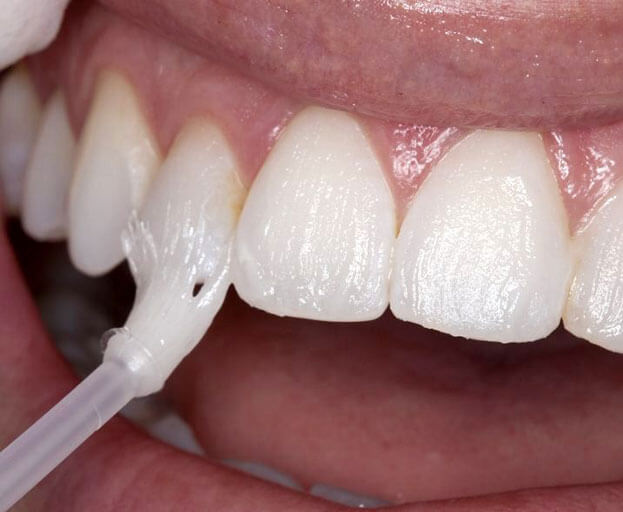
Fluoride treatment is an essential procedure in maintaining a healthy oral health status. This treatment uses a fluoride varnish (5% sodium fluoride) to protect the teeth against tooth decay by lowering the cavity-causing oral bacteria levels, or acid produced by bacteria and sugars while also strengthening the teeth.
With a fluoride treatment, the varnish is topically applied, which means that it can also be used on babies from the time that they have their first tooth at around 6 months of age. This treatment is safe, quick, and reduces the incidence of cavities by 30-35%!
Daily fluoride treatment can be done at home in the form of toothpastes or mouth rinses. However, these toothpastes and mouthwashes only have a small amount of fluoride. A higher concentration of fluoride is always applied professionally at a dental clinic in the form of gels or varnish.
Advantages
Fluoride is essential in proper dental and oral care. This treatment makes the teeth healthier, stronger, and more resistant to dental cavities. Fluoride treatments also help reduce teeth sensitivity, and can reverse early dental cavity formation.
OUR PROCEDURE
How it Works
01
Thorough Cleaning
The teeth undergo meticulous cleaning to ensure that the surfaces are free from debris and plaque.
02
Drying
Each tooth to be sealed is carefully dried using cotton or gauze, creating an optimal environment for the sealant application.
03
Chemical Roughening
An acid solution is delicately placed on the grooves of the teeth, gently roughening the surface to enhance the sealant’s adhesion.
04
Rinsing and Drying
The teeth are then thoroughly rinsed to remove any residual acid, followed by gentle air drying.
05
Sealant Application
The dental sealant is skillfully applied onto the enamel of the teeth, where it bonds directly to the grooves and subsequently hardens. This process ensures a secure and long-lasting protection against cavities. A specialized light-curing machine is utilized to expedite the hardening process, making it both efficient and effective.
06
Maintenance and Reapplication
While dental sealants provide robust protection, they may require reapplication over time, especially if they break or wear down. Regular visits to the dentist for general check-ups are essential not only for reapplication but also for maintaining optimal oral health.
The teeth undergo meticulous cleaning to ensure that the surfaces are free from debris and plaque.
01
Each tooth to be sealed is carefully dried using cotton or gauze, creating an optimal environment for the sealant application.
02
An acid solution is delicately placed on the grooves of the teeth, gently roughening the surface to enhance the sealant’s adhesion.
03
The teeth are then thoroughly rinsed to remove any residual acid, followed by gentle air drying.
04
The dental sealant is skillfully applied onto the enamel of the teeth, where it bonds directly to the grooves and subsequently hardens. This process ensures a secure and long-lasting protection against cavities. A specialized light-curing machine is utilized to expedite the hardening process, making it both efficient and effective.
04
While dental sealants provide robust protection, they may require reapplication over time, especially if they break or wear down. Regular visits to the dentist for general check-ups are essential not only for reapplication but also for maintaining optimal oral health.
06
FEATURED CASES
Before & After
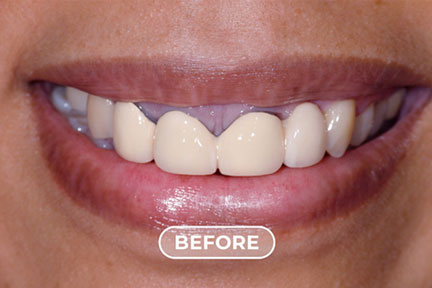
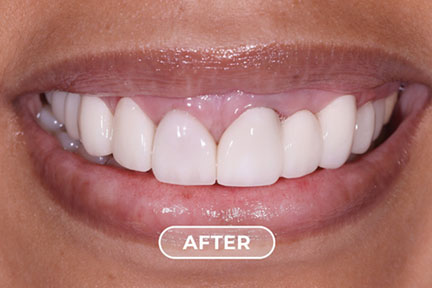
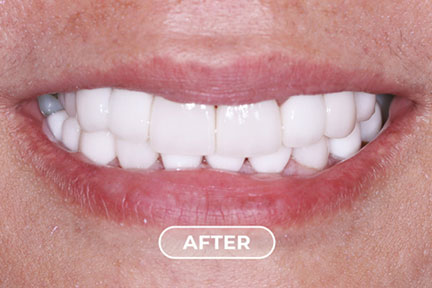
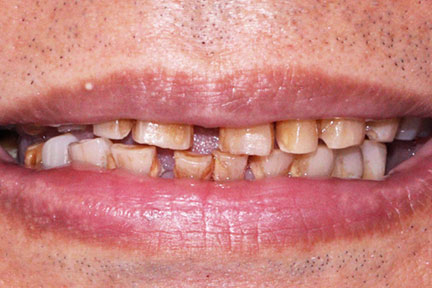
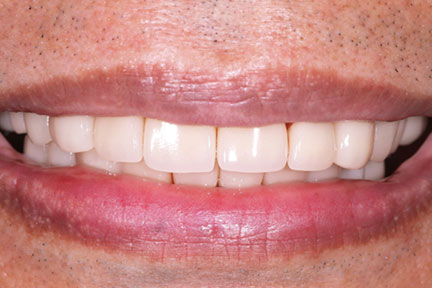
Tooth discoloration is when the color of your teeth change. They don’t look as bright or white as they should. Your teeth may darken, turn from white to different colors, or develop white or dark spots in places.
BEFORE
AFTER
Discolored Teeth, Old Restorations
BEFORE
AFTER
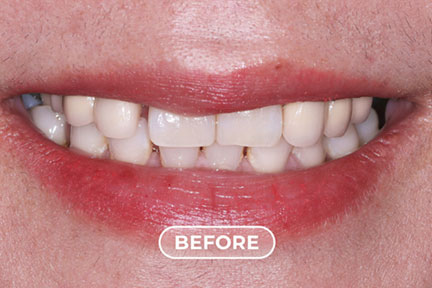
Uneven Teeth Shape, Discolored Teeth
BEFORE
AFTER
Uneven Teeth Shape, Discolored Teeth
ABOUT FLUORIDE TREATMENT
Frequently Asked Questions
ABOUT DENTAL IMPLANTS
Care Instructions

Post-Implant Follow-up & Maintenance
After the dental implant procedure, regular check-ups with the dentist every four months are essential. During these follow-up treatments, the dentist will monitor the health of the individual implants, clean around the abutments and dental restorations, and ensure proper oral hygiene is maintained.

Risk Factors & Factors
- Heavy Smoking: Smoking can hinder the healing process and negatively affect the integration of the implant with the jawbone.
- Excessive Alcohol Intake: Alcohol abuse can compromise the body’s ability to heal and may lead to implant failure.
- Periodontal Gum Disease: Untreated gum disease can weaken the surrounding tissues and jeopardize the stability of dental implants.
- Immuno-compromised Individuals: Patients with compromised immune systems may experience difficulties in healing and may have an increased risk of implant failure.
- Teeth Grinding (Bruxism): Habitual teeth grinding or clenching can exert excessive force on the implants, potentially leading to damage or failure.
In conclusion, dental implants offer a revolutionary and effective solution for replacing missing teeth. With their natural appearance, functional benefits, and long-term reliability, dental implants provide patients with the confidence to smile, speak, and eat without worry. By following the proper oral care routine and attending regular dental check-ups, patients can enjoy the full benefits of dental implants for a lifetime.
Not sure which treatment is right for you?
