


OVERVIEW
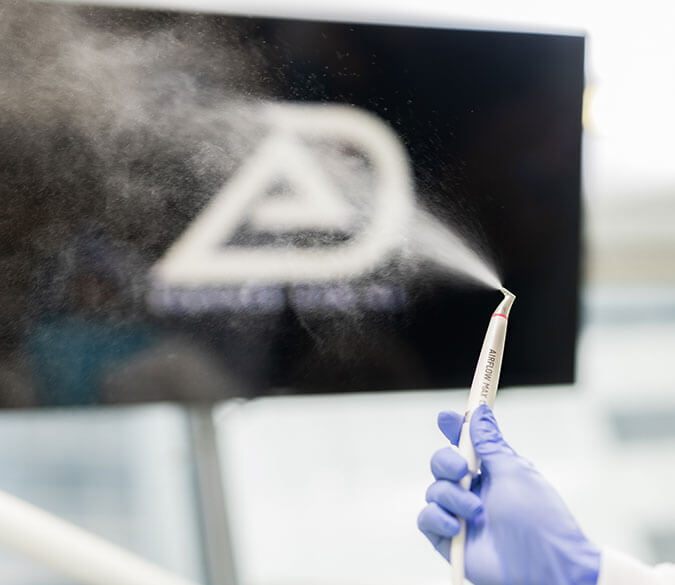
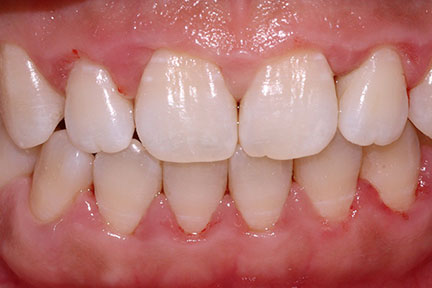
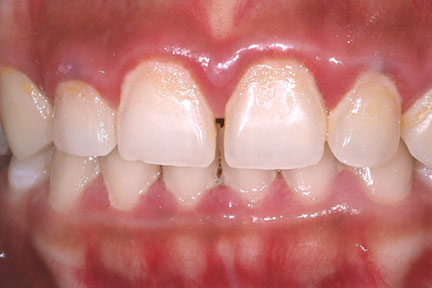
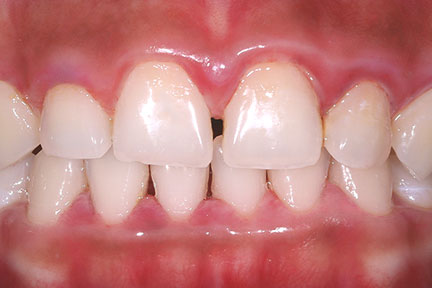
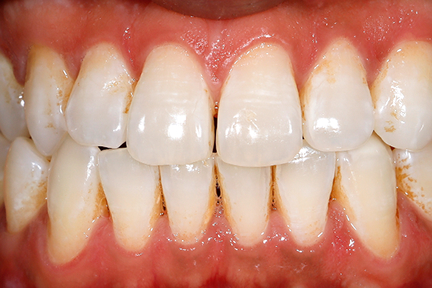
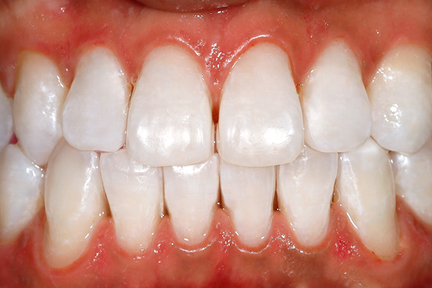
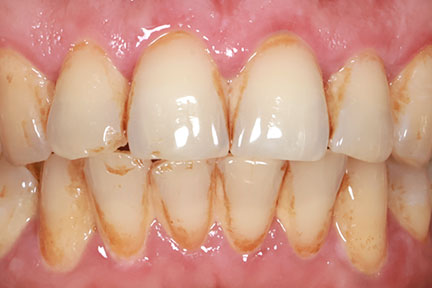
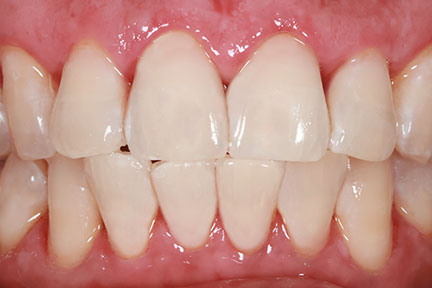
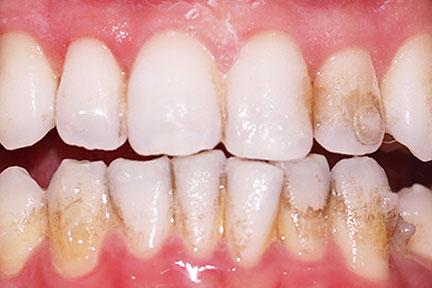
Airflow is the latest technology for teeth cleaning based on guided biofilm therapy. This cleaning method uses air-polishing technology which makes use of water, pressurized air, and a special powder to remove plaque biofilm and teeth stains.
Airflow teeth cleaning also whitens the teeth because it is very effective in removing the stains and discoloration caused by smoking or from drinking red wine, tea, and coffee.
Benefits of Airflow
-
Comfortable
Airflow is an innovative, painless, and non-invasive method of cleaning that does not generate any heat or vibration. This advanced stain removal system gently and effectively removes stubborn stains, without damaging your teeth.
-
Faster
Airflow is faster and less abrasive when it comes to removing stains and plaque. This means less chair time for patients which leads to a more comfortable experience!
-
More Effective
Aside from polishing the teeth surface, Airflow also effectively cleans tight interproximal areas and periodontal pockets up to a certain extent, leaving your mouth feeling fresher and cleaner than ever!
-
Ideal for Sensitive Teeth
Airflow polishing is ideal for patients who suffer from sensitive teeth! This cleaning method eliminates the need for direct contact with the device, so you will not feel any heat or vibrations throughout the entire process.
OUR PROCEDURE
How it Works
01
Appointment for Orthodontic Check-Up and Diagnostic Records
The first step to getting braces is to book an appointment for orthodontic records. These records are a vitally important part of the treatment process as they will provide the orthodontist with clear information about the patient to make an accurate diagnosis and develop an appropriate treatment plan for them.
To have an orthodontic record, a patient would have to go through the following procedures:
- History Taking
- Clinical Examination
- Diagnostic Photos
- Radiographs
- Panoramic X-Ray – fully visualize the entire upper and lower teeth and jaws. This gives information about jawbone, roots, and jaw joint as well as evaluating for presence of extra teeth, impacted teeth or missing teeth.
- Cephalometric X-Ray – it provides important information regarding the skeletal profile and the position of the jaws and teeth. It also provides a baseline starting point to monitor growth in younger patients.
- Model Casts of the Teeth
02
Discussion of the Current Oral Condition
During this point of the process, the dentist provides an in-depth discussion of the present condition of the patient’s teeth as well as the treatment plan and objectives that were developed for the patient. This is also when the cost of the procedure is presented to the patient.
03
Installation of Braces
The installation process starts with teeth cleaning. Afterward, a cheek retractor is used to retract the cheeks and lips, making it easier to visualize the patient’s teeth. The bonding cement is then placed on the back sides of the brackets and then placed at a very precise position on the teeth.
After placing the brackets, a laser light machine is used to harden and cure the cement. The entire installation procedure can range between 1 hour to 2 hours.
04
Adjustment of Braces
The adjustment of dental braces is a monthly procedure that allows the dentist to evaluate the patient’s tooth movement and provide the necessary recommendations to move forward with the treatment.
A normal adjustment appointment may include the following:
- Removal of the colored rubber ligaties, or opening of the bracket that holds the archwire.
- Removal of the wires on the brackets
- A check-up on the current progress of the tooth movement
- Application of new archwires depending on the progress and recommendation of the dentist
- Placement of new colored rubber ligaties, or closing of the brackets
Since the changes in tooth movement require a minimum of 3 weeks to take effect, most adjustment appointments are made in the 3 to 8-week range.
It is not unusual for a patient to feel discomfort during and immediately after the adjustment. The discomfort and soreness are usually a result of tooth movement due to the recent change of archwire or adjustments in the archwire.
The recommendations for managing the discomfort are the same as when braces were first applied. Typically, the pain usually subsides over the next 3 to 5 days after the adjustment.
05
Removal of Braces
The process of removing braces and the adhesive is relatively painless. However, it is possible to feel discomfort since some of the teeth, especially the lower front teeth, may still be sensitive to pressure.
After the braces have been removed, the adhesive remaining on the teeth must also be removed. This is usually done with a slow or high-speed dental handpiece.
06
Placement of retainers
The dentists will recommend the best type of retainer for the patient from the following types of retainers:
- Removable Hawley or Begg Wrap-around wire retainers
- Removable Clear Plastic retainers
- Bonded Fixed Lingual retainers
Just like other dental treatments, the process will always start with a consultation. However, not all dentists are Invisalign trained, therefore it is important to find a clinic that offers Invisalign.
01
After the consultation process, an impression using a digital scan is taken to create a 3D model of the patient’s teeth.
02
Once the digital impressions are completed, they are then sent to Invisalign dental technicians who work with dentists to create a customized 3-D digital treatment plan based on the dentist’s prescription.
This 3-D treatment plan shows the movement required for the teeth to achieve the desired end result.
03
The next stage of the process is the production of the custom Invisalign aligners which are made at an automated plant. These aligners are based on the digital scan and 3-D treatment plan for the patient. The number of aligners will also depend on the case of the patient.
04
Before the Invisalign aligners are given to the patient, attachments, made of a composite material are placed and bonded to the teeth. These attachments will help the teeth move efficiently and effectively.
Interproximal reductions to create enough space between the teeth may also be placed before the first aligner depending on the patient’s case. The spaces created help move the teeth to their desired position or alignment.
05
During this stage, the patient receives a series of clear aligners that can be changed at home every two weeks. These aligners must be worn for 20 to 22 hours per day.
06
Invisalign treatments usually take 12 to 24 months. This may still increase based on the recommendations of the dentist.
After the treatment period, the patient is required to wear retainers to prevent the teeth from moving back to their initial position.
07
FEATURED CASES
Before & After
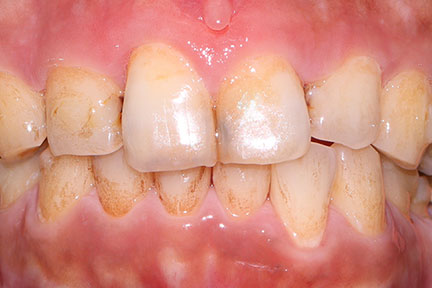
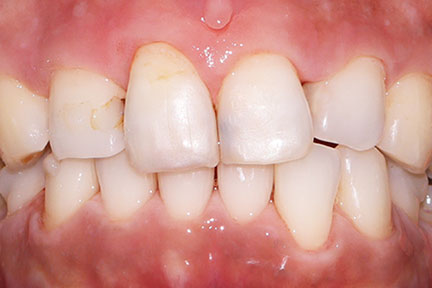
BEFORE
AFTER
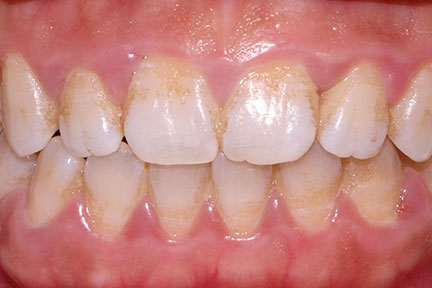
BEFORE
AFTER
BEFORE
AFTER
BEFORE
AFTER
BEFORE
AFTER
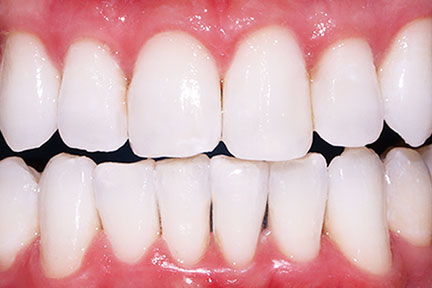
BEFORE
AFTER
ABOUT AIRFLOW
Frequently Asked Questions
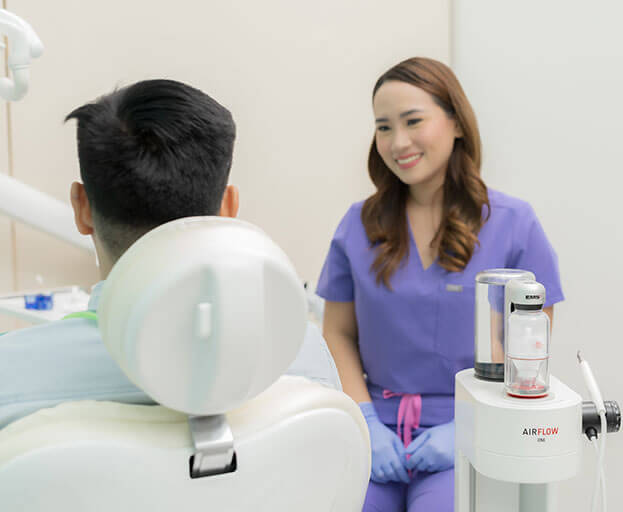
- It is an advanced stain removal procedure that uses a gentle stream of air, water, and fine powder to remove stains and plaque. It effectively cleans areas that are difficult to reach with traditional cleaning
It uses a fine medical-grade powder, commonly made from erythritol or sodium bicarbonate, which is specially designed for safe use on teeth and gums. These powders are gentle, effective in removing stains, and safe when performed under dental supervision.
It is more effective at removing surface stains caused by coffee, tea, and smoking. It is often combined with regular scaling
It is generally painless and more comfortable than traditional cleaning. Most patients find it gentle, even those with sensitive teeth.
It is recommended every 6 months or during your routine dental visits. Your dentist may recommend it more frequently if you are prone to staining.
BEFORE & AFTER
Care Instructions

Instructions
- Clean regularly. Rinse the aligners every night and brush them gently with a toothbrush to keep them fresh and clean. Cleaning tablets that dissolve in water can also be used to clean the aligners. However, avoid using harsh chemicals to clean the aligners.
- Remove before eating. Invisalign aligners are not made to withstand the pressure of chewing. To avoid damaging the aligners and disrupting the treatment timeline, it is important to remove the Invisalign aligners before eating.
- Avoid drinking hot drinks. Invisalign aligners are made of a thermoplastic material that can be distorted and damaged by heat.
- Store in a cool, dry and safe place. Store the Invisalign clear aligners in the case provided when they are not being worn.
Not sure which treatment is right for you?
