

Elevate Dental

Cosmetic dentistry is often misunderstood. Some people are interested in improving their smile, but they hesitate because they worry the results will look fake, feel painful, or require a dramatic…

Cosmetic dentistry is often misunderstood. Some people are interested in improving their smile, but they hesitate because they worry the results will look fake, feel painful, or require a dramatic change. Patients who search for porcelain veneers price in the Philippines may be interested in improving their smile, but cost is often only one part of the decision. A good cosmetic dental consultation should help patients understand what is possible, what is suitable, and what may need to happen first. It should not feel like a rushed decision or a one-size-fits-all recommendation. Some smiles may need whitening. Others may need Invisalign, veneers, bonding, gum care, or a combination of treatments. The goal is not always to create a dramatic makeover. In many cases, cosmetic dentistry is about making the smile look healthier, cleaner, and more balanced while still feeling natural to the patient.

Myth 1: Cosmetic Dentistry Always Looks Fake

Natural-looking results depend on planning

One common fear is that cosmetic dental work will look too white, too perfect, or too obvious. This can happen when the treatment is not planned around the patient’s face, tooth shape, and personal preferences. However, cosmetic dentistry does not have to look artificial. A natural-looking smile often comes from careful choices. The dentist may consider the lips, smile width, gum line, tooth length, and how the teeth show when the patient talks or laughs. These details help the result look like it belongs to the person. For example, a very bright shade may look good in a close-up photo but appear too strong in everyday life. A softer shade with the right tooth shape may look more refined and believable.

Patients can ask for subtle changes

Not every patient wants a dramatic transformation. Some only want their teeth to look fresher, smoother, or more even. Others want to fix a chip, soften a worn edge, or improve the shape of two front teeth. This is where communication matters. A patient can tell the dentist, “I want it to look natural,” or “I do not want my smile to look too different.” These details help guide the treatment plan. Digital tools can also support the conversation. For example, the RayFace 3D Facial Scanner may help show how the teeth and face relate to one another. This allows the dentist to plan a smile that suits the patient’s features, not just the teeth alone.

Myth 2: Veneers Are Only for Celebrity Smiles

Veneers can be subtle, not dramatic

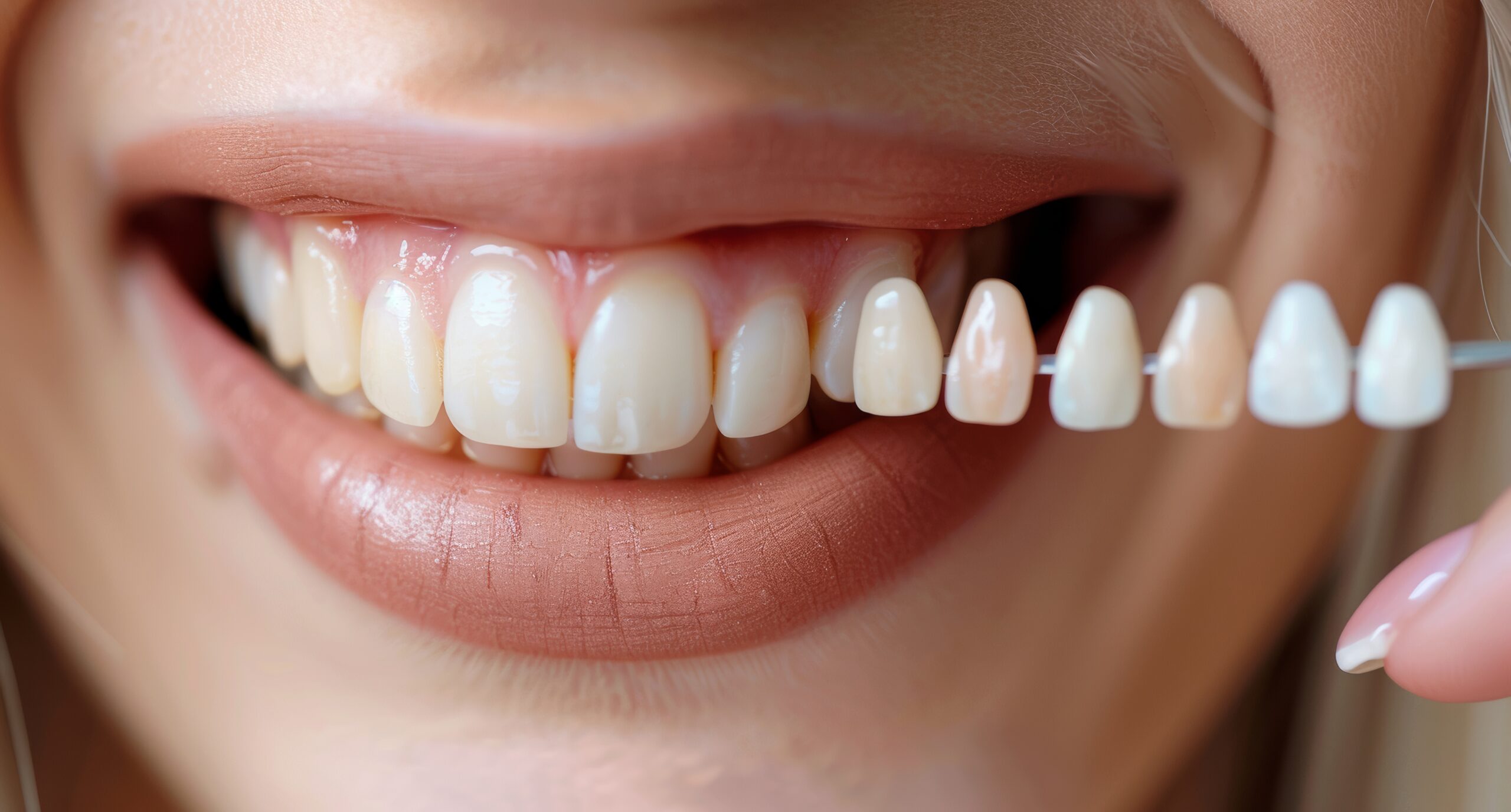
Many people think veneers are only for bold, camera-ready smiles. In reality, veneers can also be used for subtle improvements. They may help with worn edges, small chips, deep stains, uneven shapes, or teeth that look too small. For example, a patient may only feel bothered by two chipped front teeth. Another may want to soften an uneven smile line without changing the whole mouth. In these cases, the veneer plan does not need to look dramatic. The American Dental Association’s MouthHealthy guide explains that veneers are thin coverings placed over the front of teeth to improve their appearance. This can help patients understand veneers as a dental option, not just a celebrity trend.

The right veneer plan should still feel personal

A veneer result should not look copied from someone else’s smile. The dentist should consider the patient’s face, age, lifestyle, and comfort with change. A patient who wants a polished but quiet result may need a different plan from someone who wants a fuller transformation. Shade also matters. The whitest shade is not always the most flattering one. Some patients look better with a softer, more natural color that blends well with their skin tone and facial features. This is why veneer planning should include a conversation, not just a shade selection. The patient should understand what the veneers can change and what kind of result will still feel like them.

Myth 3: Veneers Can Fix Every Smile Concern

Veneers can improve appearance, but they are not always the first step

Veneers can improve the look of teeth that are chipped, stained, worn, uneven, or slightly misshapen. They can also help create a more balanced smile when the teeth need changes in shape, size, or color. However, veneers are not the answer to every smile concern. For example, a patient may think they need veneers because their teeth look uneven. During the assessment, the dentist may find that the issue is actually tooth position. In that case, Invisalign or another alignment option may be discussed first so the teeth can be placed in a better position before any cosmetic work is considered. Another patient may want veneers because their smile looks dull. However, the dentist may see that cleaning, whitening, or replacement of old fillings should come first. Veneers can be helpful, but they should be recommended for the right reason.

A consultation helps identify what the smile truly needs

Before recommending veneers, the dentist needs to check the teeth, gums, bite, and existing dental work. This helps determine whether veneers are suitable or whether another treatment should happen first. For instance, gum inflammation may need to be treated before veneers are planned. Cavities or old restorations may need attention. If the patient grinds their teeth, the dentist may also discuss how to protect the veneers after treatment. This is why a smile assessment matters. It helps patients understand whether veneers are the right option, part of a wider plan, or something to consider after other dental concerns are addressed.

Myth 4: Invisalign Is Only for Teenagers or Severe Cases

Adults may consider clear aligners for discreet treatment

Many adults consider clear aligners because they want to improve their smile without the look of traditional braces. Some want to correct mild crowding. Others want to close small gaps or improve teeth that shifted after past orthodontic treatment. For adults, one of the main appeals is that the aligners are discreet and removable. This can make treatment feel more manageable for people who work, attend events, or meet clients regularly. However, the aligners still need to be worn consistently for the treatment to work. A consultation can show whether the concern is suitable for Invisalign. Not every case can be treated the same way, so the dentist needs to check the teeth, bite, and gum health first.

Alignment can support future cosmetic work

Sometimes, alignment should come before cosmetic treatment. A patient may think one tooth looks too short, but it may simply be sitting slightly behind the others. Another patient may want veneers because the teeth look uneven, but Invisalign may improve the position first. This can help reduce unnecessary changes to natural teeth. Once the teeth are in a better position, the dentist can reassess whether whitening, bonding, or veneers are still needed. For patients considering several treatments, the order matters. Moving teeth first can sometimes make the final cosmetic result look more natural and balanced.

Myth 5: Cosmetic Dentistry Is Only About Appearance

A better-looking smile may need a healthier foundation

Cosmetic dentistry may focus on the appearance of the smile, but it still depends on oral health. The dentist may check for cavities, gum inflammation, tooth wear, grinding, old fillings, and bite pressure before recommending treatment. For example, veneers may not be the first step if the gums are swollen. Whitening may need to wait if there is sensitivity or untreated decay. Invisalign may need careful planning if the bite is causing uneven wear. This is why cosmetic treatment should not be separated from general dental care. A beautiful smile is easier to maintain when the teeth and gums are healthy first.

Comfort and function still matter

A smile should not only look good in photos. It should also feel comfortable when eating, speaking, and closing the mouth. If the bite is not considered, cosmetic work may feel uncomfortable or may not last as expected. The iTero Scanner can help show tooth position and bite details more clearly. This may help patients understand why the dentist is checking more than the front view of the smile. This kind of assessment may seem more detailed than expected, but it helps protect the result. Cosmetic dentistry should improve the smile without ignoring comfort and function.

Myth 6: You Can Choose a Treatment From Photos Alone

Smile photos can inspire, but they are not a treatment plan

Many patients bring reference photos to a consultation. This can be helpful because it shows the dentist what kind of smile they like. However, photos should be used as a guide, not as an exact treatment plan. A shade that looks good on one person may look too bright on another. A tooth shape that suits one face may look too strong or too soft on someone else. Even the way the lips move can affect how the final smile appears. This is why the dentist still needs to examine the teeth, gums, bite, and facial balance. A photo can start the conversation, but the treatment plan needs to be based on the patient’s actual smile.

A consultation helps set realistic expectations

A consultation helps patients understand what can be changed, what should be preserved, and what may require more than one step. This is especially important for patients who want a natural result. For example, someone with old crowns may need a different approach from someone with healthy natural teeth. A patient with spacing may need Invisalign, bonding, veneers, or a combination depending on the cause. A patient with gum concerns may need treatment before cosmetic work begins. Clear expectations make the process easier. The patient can decide with a better understanding of the options and limits.

Myth 7: Cosmetic Dentistry Has to Be Done All at Once

Some smiles improve through staged treatment

Cosmetic dentistry does not always need to happen in one large treatment plan. Some patients improve their smile in stages. This can make the process feel more manageable and better planned. A staged plan may begin with cleaning and gum care. Then whitening may be done if the patient wants a brighter shade. Invisalign may follow if alignment needs to be improved. Veneers or bonding may come later if shape or proportion still needs refinement. This kind of sequence can help the final result look more natural. It also allows the dentist to reassess the smile after each stage.

Phased care can feel calmer for patients

Not every patient is ready to decide on everything at once. Some want to start with one concern and see how the smile changes. Others may need to consider budget, schedule, or recovery time. A phased plan can help patients move at a pace that feels comfortable. It can also prevent unnecessary treatment by showing what improves after each step. For example, a patient who first wanted veneers on many teeth may feel satisfied after whitening and minor bonding. Another may realize after Invisalign that fewer veneers are needed than originally expected.

Myth 8: The Lowest Price Is Always the Best Choice

Cosmetic dentistry should be judged by value, not price alone

Cost is an important part of treatment planning, but it should not be the only factor. Cosmetic dentistry can vary because every smile is different. The price may depend on the materials, number of teeth involved, case complexity, digital planning, dentist experience, and follow-up care. A lower price may seem appealing at first. However, patients should ask what is included and how the treatment will be planned. A smile that looks natural usually depends on more than the procedure itself. When comparing porcelain veneers price in the Philippines, patients should also ask what is included in the consultation, planning, materials, temporary veneers, final placement, and aftercare.

What patients should ask during consultation

Patients should feel comfortable asking questions before choosing treatment. These questions can help clarify whether the plan is suitable: What is causing my smile concern? What treatment options do I have? Which treatment should happen first? What result is realistic for my teeth? What is included in the fee? How do I maintain the result after treatment? These questions are not difficult, but they can lead to a better conversation. A careful consultation should answer them clearly and patiently.

Conclusion

Cosmetic dentistry is not only about dramatic changes or perfect-looking teeth. It can be subtle, thoughtful, and carefully planned around the patient’s face, oral health, and personal goals. Veneers, whitening, Invisalign, bonding, and other treatments can all have a place, but the right option depends on what the smile truly needs. The best first step is not to assume which treatment is right. It is to have a proper assessment, understand the options, and make a decision based on clear guidance. To explore which cosmetic dental treatments may suit your smile, schedule a consultation with us through our contact page.  

Share this article

Share

Related Articles

Not sure which treatment is right for you?

Not sure which treatment is right for you?