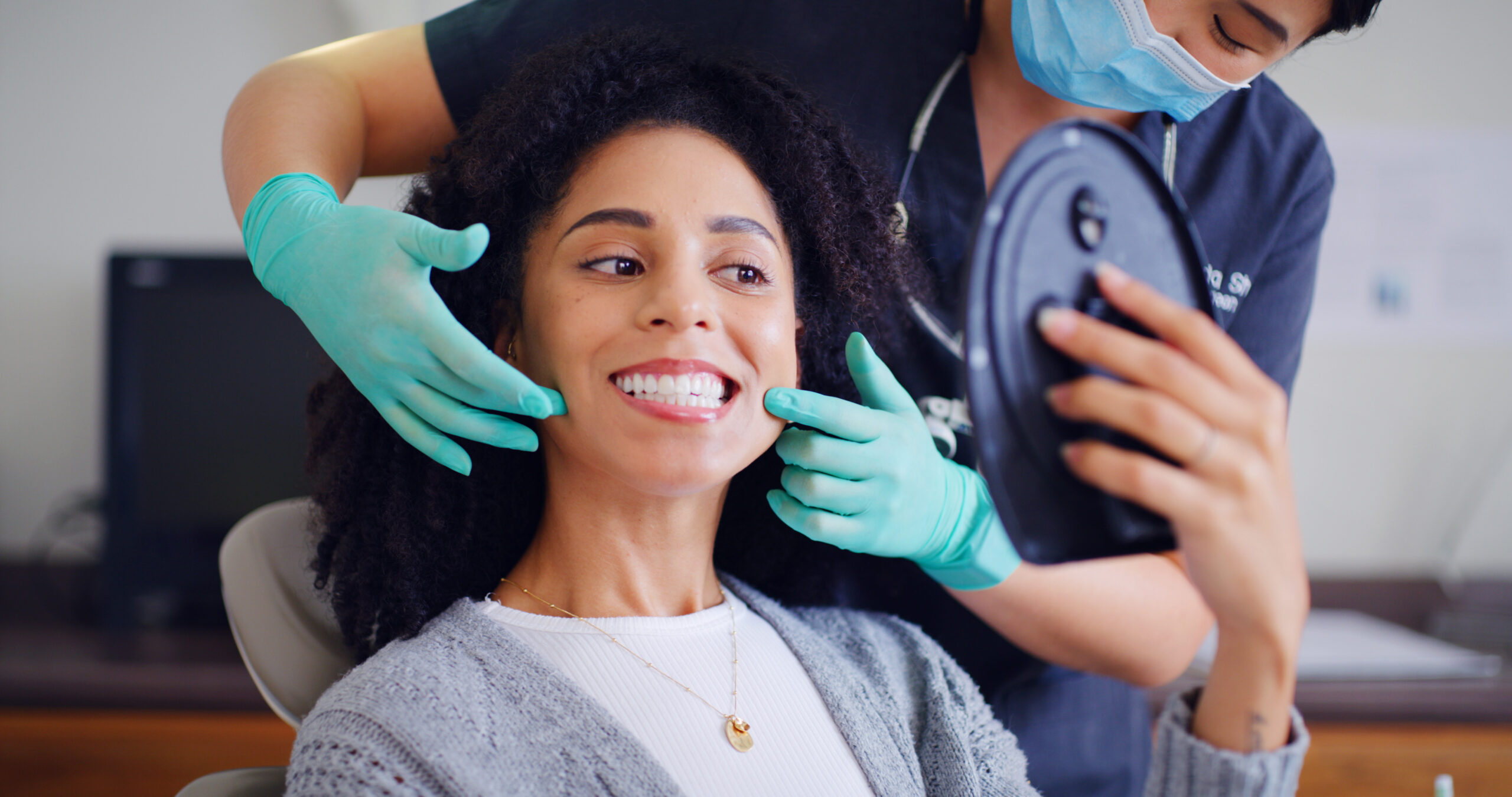
A comprehensive smile assessment is more than a quick look at your teeth. It is a calm, guided consultation where the dentist listens to your concerns, checks your oral health, and studies how your smile fits your face. This is why many patients searching for the
best dental clinic in Manila are not only looking for a procedure. They are looking for careful guidance before making a decision.
Some people come in asking about veneers. Others ask about whitening, Invisalign, crowns, bonding, or a full smile makeover. However, the right treatment is not always the first one a patient has in mind. A smile assessment helps clarify what the smile truly needs.
For example, teeth that look “too small” may be caused by wear, gum position, tooth shape, or alignment. Yellow teeth may need whitening, but they may also need cleaning or replacement of old fillings first. A comprehensive assessment helps connect the concern to the right solution.
Why a Smile Assessment Matters Before Treatment
A smile assessment gives the dentist a full picture before recommending any procedure. This matters because cosmetic concerns are not always only cosmetic. The color, shape, and position of the teeth can be affected by oral health, gum condition, bite pressure, previous dental work, and daily habits.
For example, a patient may want veneers because the front teeth look uneven. During assessment, the dentist may notice that one tooth is pushed slightly backward. In that case, Invisalign may be discussed before veneers so the final smile can look more balanced.
This kind of planning helps avoid unnecessary or poorly timed treatment. It also helps patients understand why one option may be better than another. Instead of simply choosing from a menu of services, the patient receives a plan based on their smile, comfort, and long-term needs.
Step 1: The Dentist Listens to Your Smile Concerns
What patients usually bring up during consultation
The first part of a smile assessment is often a conversation. The dentist may ask what bothers you about your smile, what you have tried before, and what kind of result you hope to achieve. This helps make the consultation more personal.
Patients may bring up teeth that look yellow, worn, crowded, short, uneven, or too widely spaced. Some mention old fillings or crowns that no longer match. Others say their smile looks different in photos, or that they avoid showing their teeth when they laugh.
These concerns may seem simple, but they give the dentist important clues. A patient who wants “whiter teeth” may actually be bothered by old restorations. A patient who wants “straighter teeth” may also have bite concerns. Listening carefully helps the dentist understand what is really behind the request.
Why personal goals matter
Two patients can have similar teeth but very different goals. One may want a noticeable transformation. Another may want a subtle change that still looks completely natural. These preferences affect the treatment plan.
For example, a patient preparing for a wedding may want a brighter smile within a certain timeline. A patient in a client-facing role may prefer a polished result that looks professional but not dramatic. Someone who has always felt self-conscious about a gap may want that concern addressed first.
A good consultation should give patients space to explain these details. It should not feel rushed or overly scripted. The dentist’s role is not only to examine the teeth, but also to understand what kind of smile will feel right for the person.
Step 2: Your Teeth and Gums Are Checked
The dentist looks for health concerns first
Before cosmetic treatment is planned, the dentist needs to check the health of the teeth and gums. This may include looking for cavities, gum inflammation, tooth wear, old dental work, sensitivity, or signs of grinding. These details can affect which treatments are suitable.
For example, whitening may not be recommended right away if the patient has untreated cavities or sensitivity. Veneers may need to wait if the gums are inflamed. Invisalign may need to be planned carefully if there are old crowns or fillings.
An intraoral camera may also be used during this part of the assessment. This small camera allows the dentist to show close-up images of the teeth and gums, so patients can better understand what needs attention. For instance, a small crack, worn filling, or area of gum inflammation may be easier to see on screen than in a mirror.
This is why a smile assessment may include recommendations that are not purely cosmetic. Cleaning, gum care, or repair of damaged teeth may need to come first. These steps help create a healthier foundation for a better-looking smile.
Why healthy gums affect the final smile
The gums frame the teeth, so they have a strong effect on how the smile looks. If the gums are swollen, red, or uneven, the teeth may not appear as clean or balanced as they could. Even very white teeth can look less refined if the gum line is unhealthy.
A patient may notice that their smile looks “off,” but may not realize that the gum line is part of the reason. During assessment, the dentist can check whether the gums need treatment before cosmetic work begins. This can make the final result look more natural and easier to maintain.
Healthy gums also help with comfort. If the gums bleed easily or feel tender, the patient may need guidance on brushing, flossing, or professional care. According to the
American Dental Association’s MouthHealthy resource, symptoms such as puffy or bleeding gums, tooth sensitivity, uneven bite, and concerns about smile appearance are all reasons to see a dentist for proper evaluation.
Step 3: Your Bite and Tooth Position Are Reviewed
Why alignment affects more than appearance
A smile can look uneven because of tooth position, not just tooth shape. One tooth may be slightly turned. Another may sit farther back. The front teeth may not meet comfortably when the mouth closes. These details can affect both the appearance and function of the smile.
Bite concerns can also lead to wear over time. If some teeth carry more pressure than others, they may chip, flatten, or feel sensitive. A patient may think the issue is only cosmetic, but the dentist may see that the bite is contributing to the concern.
This is why Invisalign may be part of the discussion during a smile assessment. If alignment is affecting the smile, moving the teeth first may create a better foundation before whitening, bonding, or veneers are considered.
How digital scanning makes the process clearer
Digital scanning can help patients understand their teeth in a more visual way. Instead of relying only on a mirror view, the patient can see a clearer image of tooth position, spacing, and bite relationships. This can make the dentist’s explanation easier to follow.
The iTero Scanner, for example, can create a digital view of the teeth. It may help show crowding, spacing, or bite details that are difficult to notice at home. For patients considering Invisalign, it can also support treatment planning.
This does not mean every patient needs the same treatment. The scan simply helps make the assessment clearer. The dentist still needs to explain what the findings mean and what options may be suitable.
Step 4: Your Smile Is Viewed With Your Face in Mind
Why the face matters in smile planning
A smile should not be designed by looking at the teeth alone. The dentist also considers the lips, smile width, face shape, and the way the teeth appear when speaking or laughing. These details help create a result that looks natural on the patient.
For example, teeth that look attractive in a close-up photo may not suit the patient’s full face. A very bright shade may look too strong. Teeth that are too long may change the expression. A smile assessment helps prevent these mismatches.
This is especially important for patients considering veneers or a more noticeable smile makeover. The goal is not to create a smile that looks impressive by itself. The goal is to create a smile that fits the person.
How facial scanning can support smile design
Facial scanning can make this part of planning more precise and easier to explain. The RayFace 3D Facial Scanner can help the dentist study the relationship between the face and smile. It gives another way to understand how changes to the teeth may affect the overall look.
For example, the dentist may assess whether a softer tooth edge, a slightly brighter shade, or a different tooth length would look more natural with the patient’s features. This kind of planning can be helpful for patients who are afraid of looking too “done.”
Technology supports the conversation, but it should not make the process feel cold or complicated. The patient should still receive clear explanations in everyday language. The best tools are the ones that help patients understand their options more confidently.
Step 5: Possible Treatment Options Are Discussed
The recommendation may not be what the patient first expected
A patient may come in asking for one treatment but leave with a clearer understanding of several options. This is not a bad thing. It means the dentist has looked at the full picture before making a recommendation.
For example, someone asking for veneers may first need Invisalign if the teeth are crowded. Someone asking for whitening may need cleaning or replacement of old fillings before the final shade can look even. Someone asking for a smile makeover may only need a few targeted changes.
This kind of guidance helps keep treatment personal. It also helps patients avoid doing more than necessary. A thoughtful plan should improve the smile while protecting healthy teeth whenever possible.
Treatment may need to happen in the right order
The order of treatment can affect the final result. In many cases, health concerns come first. Cavities, gum issues, or broken fillings should be addressed before cosmetic planning continues.
After that, alignment may be considered if the teeth need to be moved. Whitening may be done before veneers or bonding so the final shade can be matched properly. Veneers, bonding, or crowns may come after the foundation is stable.
This step-by-step approach can feel slower than choosing one procedure right away. However, it often leads to a cleaner, more predictable result. It also helps patients understand why the dentist recommends one step before another.
Step 6: You Understand the Timeline, Limits, and Next Steps
What patients should ask before deciding
A comprehensive smile assessment should leave the patient with clearer questions and answers. Before deciding on treatment, patients may ask what is causing their concern, what options are available, and which treatment should come first.
They may also ask what result is realistic, how long the process may take, and how the result should be maintained. These questions are especially useful for patients considering veneers, Invisalign, whitening, or several treatments together.
Clear answers help patients make decisions without feeling pressured. They also make the treatment feel more manageable because the patient understands what will happen next.
Why clear expectations matter
Every treatment has limits. Whitening can brighten natural teeth, but it will not change the color of crowns or old fillings. Veneers can improve shape and color, but they may not be suitable if the bite or gums need attention first. Invisalign can move teeth, but it requires consistency.
A smile assessment should explain these limits in a calm and practical way. This helps patients avoid disappointment and choose treatment with realistic expectations. It also builds trust because the dentist is not simply saying yes to everything.
When patients understand both the possibilities and the limits, they can appreciate the final result more fully. They know why each step was recommended and how it supports the smile they want.
What Makes a Smile Assessment Feel More Thoughtful
A thoughtful smile assessment feels organized, calm, and personal. The patient should not feel rushed through a standard checklist. Instead, the consultation should connect their concerns with what the dentist sees clinically.
Digital tools such as the iTero Scanner and RayFace 3D Facial Scanner can support this process by making the smile easier to explain. However, the experience should still feel human. The patient should understand the findings, not just see images or scans.
After the consultation, a comprehensive treatment plan may be prepared. This outlines the severity of the case, the recommended procedures, and the possible treatment sequence. It gives patients time to review their options, ask questions, and make a decision without feeling pressured to commit right away.
This balance of technology, clear explanation, thoughtful planning, and aesthetic judgment helps create a more refined treatment plan. It also helps patients feel more confident before committing to any procedure.
Conclusion
A comprehensive smile assessment helps patients understand their smile before choosing a treatment. It looks at the teeth, gums, bite, facial balance, personal goals, and possible treatment sequence. This matters because the most suitable option is not always the most obvious one at the beginning.
For patients looking for the
best dental clinic in Manila, a thoughtful smile assessment can be a helpful first step toward knowing what their smile truly needs.
For patients considering a smile assessment, Elevate Dental can help review your concerns, explain suitable options, and guide the next steps with care. Schedule an appointment or call us to arrange a consultation.