


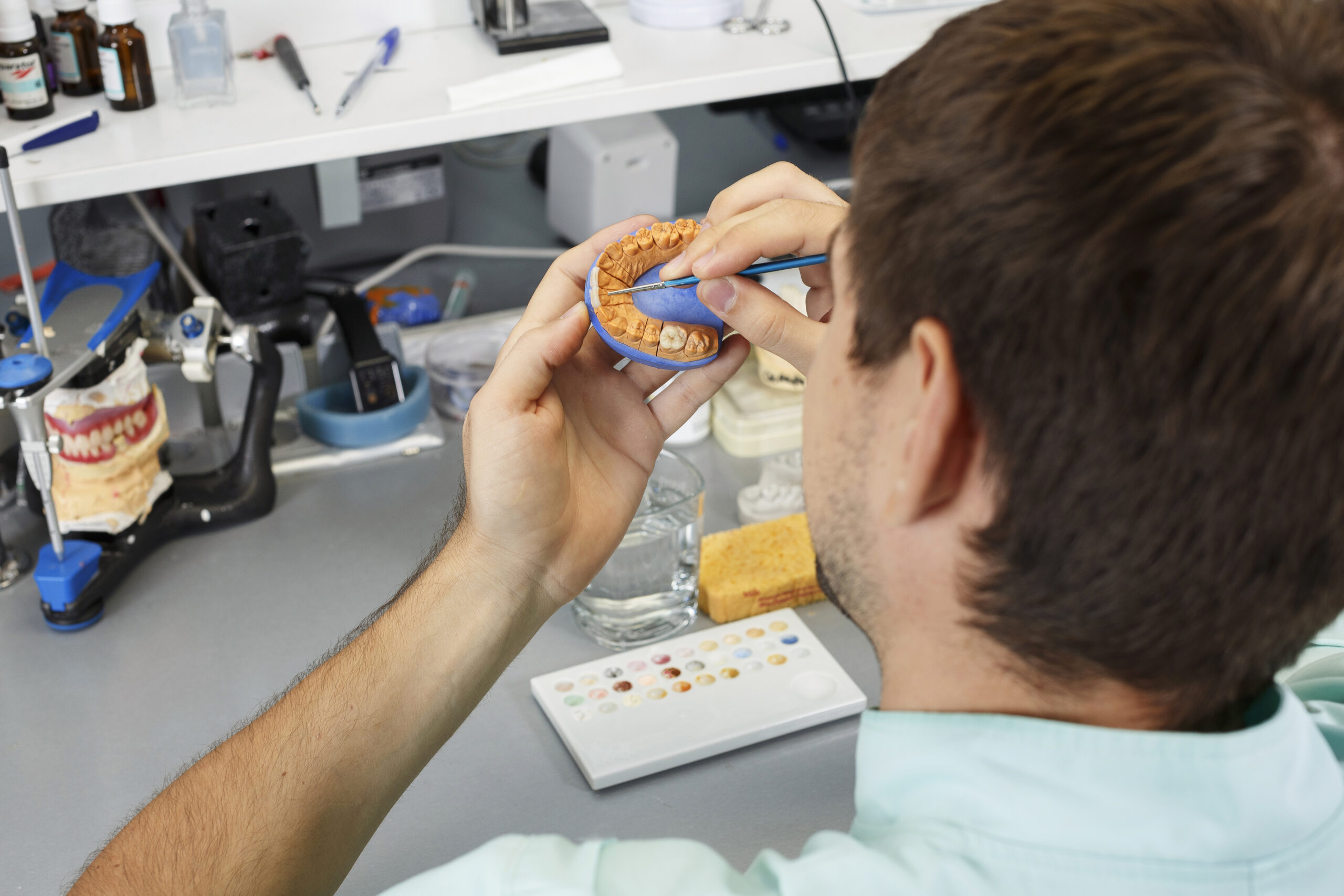
The cost of high-quality veneers depends on more than the number of teeth being treated. It may reflect the ceramic material, the complexity of the case, diagnostic planning, tooth preparation, laboratory craftsmanship, temporary restorations, placement, follow-up care, and the experience required to create a natural-looking result.
This is why two veneer quotations can differ even when both appear to cover the same number of teeth. One plan may involve straightforward shade improvement, while another must manage severe discoloration, uneven spaces, worn edges, an unstable bite, or several existing restorations.
Patients should therefore compare what is included in the treatment process, not only the price listed per veneer.
Why This Is Useful for Patients
Understanding what contributes to veneer pricing makes it easier to assess whether a treatment plan is thorough, conservative, and appropriate for your smile. A higher quotation does not automatically guarantee better results. However, unusually low pricing may leave important questions about the material, laboratory process, diagnostic records, temporary phase, follow-up care, and how much healthy enamel will be preserved.What Are Porcelain Veneers?
Porcelain veneers are thin, custom-made ceramic restorations bonded to the front surfaces of selected teeth. They may be used to improve concerns involving tooth shape, color, proportion, small spaces, minor chips, and selected alignment irregularities. The American Dental Association describes a porcelain veneer as a custom-made shell fitted over the front surface of a tooth. Porcelain veneers are generally strong, long-lasting, and natural-looking, but they are also usually more expensive than composite veneers. Veneers are not removable covers placed over untreated problems. Before treatment, the dentist must assess the health of the teeth and gums, the bite, available enamel, existing restorations, and the reason the patient wants veneers. Decay, active gum disease, severe grinding, or significant bite concerns may need to be addressed before veneer treatment proceeds. The ADA also notes that veneers may chip, loosen, wear, or require replacement over time.Why Does Veneer Pricing Vary Between Patients?
Veneer treatment is not a standardized procedure in which every tooth receives the same preparation and restoration. One patient may need a single veneer to improve a discolored front tooth. Another may need several veneers to create balanced proportions across the visible smile. A third may have worn teeth, uneven gum levels, old fillings, or a deep bite that makes treatment more complex. The quotation may therefore vary according to:- The number of teeth involved
- The type of ceramic or restorative material
- The amount of diagnostic planning required
- The difficulty of matching neighboring teeth
- Whether tooth preparation is necessary
- The condition of the enamel and existing restorations
- The patient’s bite and grinding risk
- Laboratory fees
- Temporary restorations
- Additional dental treatment needed beforehand
- Follow-up and maintenance included in the plan
How Does the Number of Veneers Affect the Cost?
Veneers are often priced per tooth, so treating more teeth usually increases the total cost. Elevate Dental’s published starting fees are PHP 10,000 per tooth for composite veneers, PHP 25,000 per tooth for porcelain veneers, and PHP 28,000 per tooth for zirconia veneers. Actual fees depend on the case and should be confirmed during consultation. The ideal number of veneers should be based on what shows in the patient’s smile and what is required to produce a balanced result. Some patients show six upper front teeth when they smile, while others show eight, ten, or more. Treating too few teeth can sometimes create visible differences in color, width, or surface texture between the veneers and the untreated teeth beside them. This does not mean every patient requires a full set. A single veneer may be appropriate when one tooth is chipped, undersized, or internally discolored and the laboratory can closely match the neighboring natural teeth. Single-tooth cases can actually be technically demanding because the veneer must reproduce the unique shade, translucency, texture, and light reflection of the teeth around it.Why Does the Veneer Material Matter?
The material affects appearance, strength, preparation requirements, laboratory technique, and cost. Porcelain or ceramic veneers are fabricated outside the mouth, usually by a dental laboratory. They can be layered or characterized to reproduce features found in natural enamel, including translucency, subtle shade variation, surface texture, and light reflection. Composite veneers are made from tooth-colored resin. They may be placed directly by the dentist or fabricated indirectly, depending on the treatment method. Composite can be more conservative and easier to repair, but it may not resist staining and wear as well as porcelain. The right material depends on the patient’s goals, existing tooth structure, bite, discoloration, and maintenance expectations. Porcelain should not be selected solely because it is more expensive, and composite should not be assumed to be inferior in every situation.How Does Laboratory Craftsmanship Affect Veneer Cost?
A high-quality veneer is not simply a uniform white shell. The dental technician may need to reproduce:- Natural translucency near the biting edge
- Gradual shade changes from the gumline to the tip
- Fine surface texture
- Small differences between neighboring teeth
- Appropriate brightness without excessive opacity
- Tooth width, length, and contour
- Contact points that allow cleaning
- Margins that support gum health
Why Is Diagnostic Planning Part of the Cost?
Good veneer treatment begins before any tooth is prepared. The dentist may assess:- Tooth and gum health
- Tooth proportions
- Existing enamel
- Bite relationships
- Facial symmetry
- Lip position and movement
- Smile width
- Gum display
- Tooth wear
- Existing crowns, fillings, or bonding
- The patient’s preferred shape and level of brightness
Does Tooth Preparation Affect Veneer Quality and Price?
Veneers commonly require some enamel removal so the restorations can fit naturally without making the teeth look thick or overcontoured. The amount varies by case. Teeth that already project outward may require a different preparation than small or inward-positioned teeth. Severe discoloration may also require more space for ceramic that can mask the underlying shade while still appearing natural. The ADA advises that veneer treatment is generally not reversible because enamel is removed during preparation. Conservative preparation matters because veneers bond particularly well to enamel. Research reviews have consistently found that enamel preservation is an important factor in veneer performance and longevity. The preparation design should be based on tooth position, desired shape, material thickness, enamel availability, and bite.Why Might Temporary Veneers Be Included?
Temporary veneers may be placed after preparation while the final ceramic restorations are being made. They can protect the prepared teeth and give the patient an initial sense of the proposed length, shape, and overall appearance. They may also help the dentist evaluate speech, comfort, lip support, and how the teeth function during normal movements. Temporary restorations are not identical to the final porcelain. Their color, translucency, polish, and strength may be more limited. However, this phase can still be valuable. If a tooth feels too long during speech or the smile appears too wide, the observation can help refine the final design before the permanent veneers are completed. The materials, clinical time, and adjustments involved in temporization may form part of the overall quotation.How Do Bite and Grinding Affect Treatment Planning?
Veneers are exposed to the same forces as natural front teeth. A patient who grinds, clenches, has a deep overbite, or places heavy pressure on the front teeth may have a higher risk of chipping or fracture. The ADA specifically advises that veneers may not be suitable for some patients who grind their teeth or have a deep overbite. The dentist may need to:- Evaluate wear patterns
- Adjust the design or material
- Address unstable bite contacts
- Recommend orthodontic treatment first
- Limit the number or extent of veneers
- Provide a protective night guard after treatment
Can Other Treatments Affect the Final Veneer Cost?
Veneers should not be placed over unresolved dental disease or used to conceal concerns better managed another way. Additional treatment may be recommended for:- Tooth decay
- Active gum disease
- Gum contour concerns
- Old or leaking fillings
- Severe tooth wear
- Grinding
- Misalignment
- Missing teeth
- Root canal-treated teeth
- Significant discoloration
Does a Higher Veneer Price Guarantee Better Results?
No. Price alone cannot confirm the quality of a treatment plan or final result. Patients should ask what the quotation includes and how the dentist plans to address:- Tooth health and suitability
- Material selection
- Enamel preservation
- Smile and facial proportions
- Laboratory communication
- Temporary veneers
- Bite forces
- Shade approval
- Follow-up care
- Repairs or maintenance

