


Dental veneers are often chosen by patients who want a more refined smile without making their results look obvious or overdone. They may be considered for teeth that appear stained, chipped, uneven, slightly misshapen, or worn at the edges. For some patients, veneers are also part of a broader effort to make the smile look more balanced in photographs, conversations, and professional settings.
Still, veneers should never be treated as a quick cosmetic shortcut. They require careful planning because they change the visible surface of the teeth. Once enamel is prepared, the treatment becomes a long-term decision, not something to approach casually.
This is why the veneer process should begin with a clear consultation, not with choosing a shade. The dentist needs to evaluate tooth health, bite function, gum condition, facial balance, and whether the patient’s goals can be achieved with veneers alone. In some cases, preliminary treatment may be recommended before veneers to help create a healthier or more conservative foundation for the final result.
For patients considering porcelain veneers, understanding the treatment process is just as important as understanding the outcome. Careful planning helps ensure that the final smile looks natural, functions comfortably, and supports long-term oral health.
The American Dental Association describes veneers as custom-made coverings placed on the front surface of teeth. Veneers may be used to improve teeth that are chipped, broken, stained, crooked, or misshapen, but the ADA also notes that the treatment is not reversible, which makes professional evaluation important before proceeding.
How to get dental veneers
Step 1: Begin with a detailed smile consultation
The first step in getting veneers is a consultation that explores both the patient’s concerns and the reason behind them. A patient may say they want “better teeth,” but that can mean several different things. They may be bothered by discoloration, worn edges, small gaps, uneven tooth length, or a smile that appears narrow in photos.
During this stage, the dentist listens carefully and examines whether veneers are the right solution. For example, a patient who feels their teeth look short may actually have gum display, tooth wear, or bite-related changes. Each of these requires a different treatment discussion.
Our consultation is designed to be unhurried and explanatory. Patients are guided through what veneers can improve, what they cannot correct, and whether other treatments should be considered before any irreversible step is taken.
This matters because veneers are not simply decorative shells. They become part of how the patient speaks, smiles, bites, and expresses themselves. A proper consultation protects both the appearance and the function of the final result.
Step 2: Assess oral health before aesthetic planning
Before veneer design begins, the dentist needs to confirm that the teeth and gums are healthy enough for treatment. Cavities, gum inflammation, enamel weakness, fractures, and unstable restorations can affect whether veneers are appropriate. A beautiful cosmetic result depends on a sound foundation.
For instance, a patient with inflamed gums may not be ready for final veneer impressions or scans. Gum swelling can affect how the veneer margins are planned and how natural the final result appears. Treating gum health first may create a cleaner, more stable outcome.
The dentist also checks existing fillings, crowns, and signs of tooth wear. If a tooth has a large old restoration, it may need a different type of treatment. In some cases, a crown may be more appropriate than a veneer because the remaining tooth structure needs stronger coverage.
Such a step reflects the clinic’s healthcare-first approach to cosmetic dentistry. The goal is not only to create a refined smile, but to make sure the treatment is suitable for the patient’s actual dental condition.
Step 3: Evaluate the bite and tooth position
Veneers are placed on teeth that still need to function every day. This means the bite must be evaluated before treatment. If the teeth meet unevenly or if the patient grinds or clenches, the veneers may be exposed to unnecessary force.
A real-world signal is a patient who wakes with jaw tightness or notices small chips along the edges of the front teeth. These signs may suggest that the bite needs closer review before veneers are planned. Without this step, the final restorations may be more vulnerable to wear or damage.
Tooth position also matters. If a tooth is rotated or crowded, placing a veneer directly over it may require more enamel reduction to create the appearance of alignment. In some situations, minor corrective treatment may be recommended before veneers to help preserve more natural tooth structure.
By evaluating the bite and tooth position early, the dentist can develop a treatment plan that prioritizes both aesthetics and long-term stability. This helps ensure that the veneers not only look natural but also function comfortably within the patient's existing bite.
Step 4: Use digital records for more precise planning
Modern veneer planning benefits from detailed digital records. These may include photographs, digital scans, bite records, and facial references. The purpose is to understand how the teeth look not only in isolation, but also within the patient’s full expression.
Tools such as the iTero Scanner may be used to create a digital model of the teeth. This can help the dentist evaluate tooth shape, spacing, alignment, and bite relationships more clearly. For patients, it can also make the planning process easier to understand because they can see their starting point more visually.
For broader smile design, the RayFace 3D Facial Scanner may also support facially guided planning. This is especially helpful because veneers should be designed around the patient’s lips, facial contours, smile line, and natural expression.
This level of planning helps avoid a common cosmetic mistake: designing teeth that look attractive on their own but do not suit the person wearing them. A refined veneer result should feel integrated with the face, not added onto it.
Step 5: Discuss shape, shade, and smile character
Choosing veneers is not only about making teeth whiter. Shape and proportion often matter just as much. A slightly rounded edge can create a softer appearance, while a more defined shape may look more structured. The right choice depends on the patient’s features, age, expression, and personal preference.
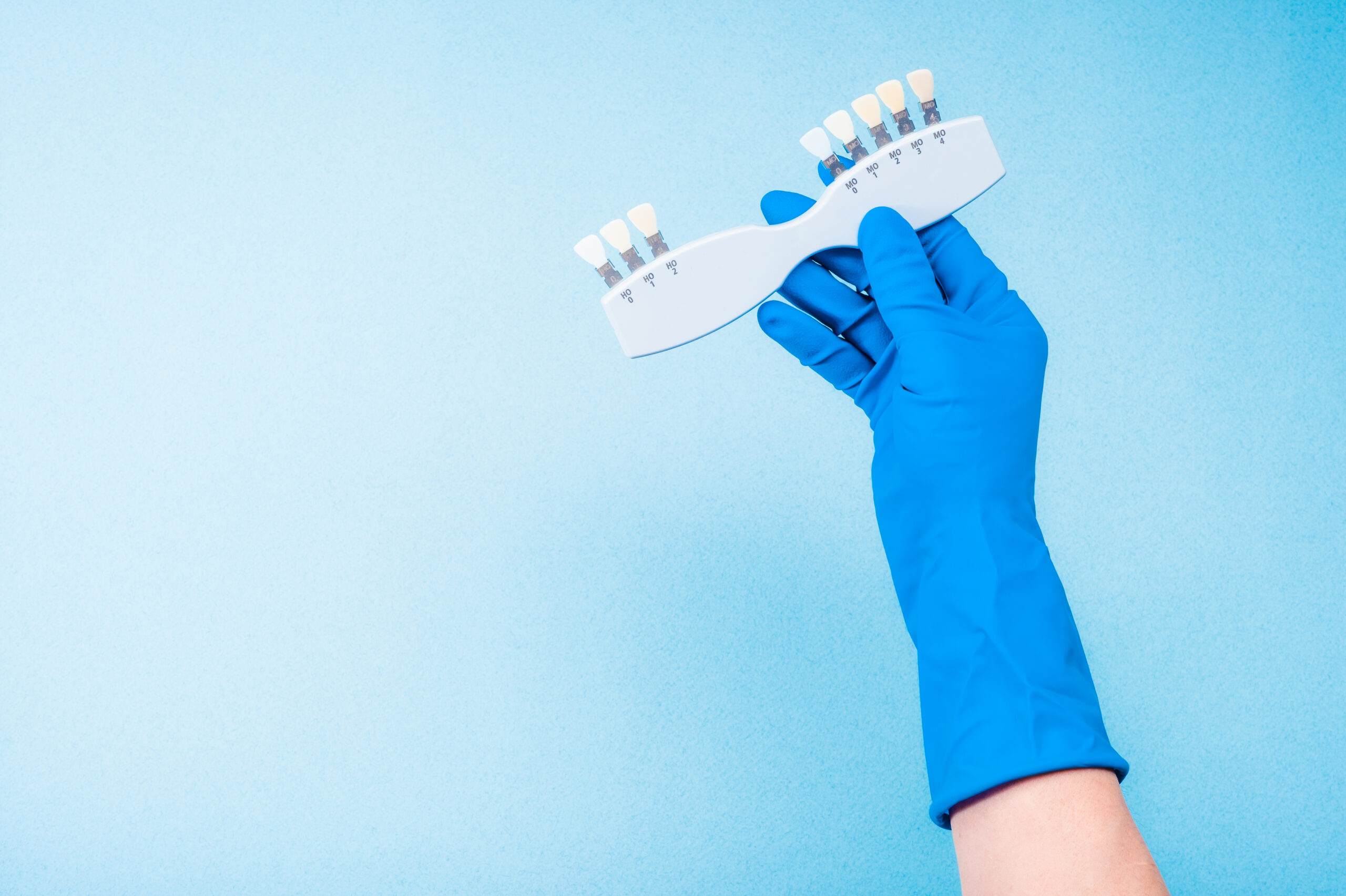
Shade selection also requires restraint. A very white shade may look appealing on a sample, but it can appear flat or artificial once placed in the mouth. The dentist needs to consider skin tone, lip color, facial contrast, and whether the patient wants a discreet improvement or a more noticeable transformation.
Aesthetic judgment is part of the treatment process. Patients are not simply handed a shade guide and asked to choose. Instead, they are guided toward a result that looks polished while still believable.
This is especially important for professionals, public-facing individuals, or patients who want their smile to look refreshed without inviting obvious comments about dental work. The strongest veneer result is often the one that makes people notice the patient’s confidence before they notice the treatment.
Step 6: Decide whether porcelain or composite veneers are appropriate
Veneers may be made from porcelain or composite resin. Each material has its own advantages, limitations, and maintenance considerations. The right choice depends on the patient’s goals, tooth condition, budget, and desired longevity.
Porcelain veneers are often selected for their natural translucency, refined finish, and resistance to staining. They are custom-crafted in a dental laboratory and then bonded to the teeth. For patients seeking a highly polished aesthetic result, porcelain may offer a more lifelike surface.
Composite veneers are made from tooth-colored resin and shaped directly or indirectly. They may require less tooth preparation in some cases and may involve fewer visits, but they may be more prone to staining, chipping, or surface wear over time.
The dentist should explain these differences clearly. A patient who drinks coffee daily, clenches at night, or wants a long-term cosmetic result may need a different recommendation from someone seeking a smaller and more conservative improvement.
Understanding porcelain veneers price in the Philippines
One of the most common questions patients ask is about porcelain veneers price in the Philippines. The cost can vary depending on several factors, including the number of veneers needed, the complexity of the case, the materials selected, and laboratory involvement.
While porcelain veneers generally cost more than composite veneers, many patients choose them because of their durability, stain resistance, and highly natural appearance. Rather than focusing solely on price, it is helpful to consider the overall value of the treatment, including aesthetics, longevity, and long-term maintenance requirements.
A consultation allows the dentist to assess the patient's needs and provide a more accurate treatment recommendation based on both clinical and aesthetic considerations.
Step 7: Confirm the most conservative treatment approach
Before moving forward with veneers, the dentist reviews whether the proposed treatment plan is the most conservative option available. The goal is not simply to improve appearance, but to do so while preserving as much healthy tooth structure as possible.
In some cases, the teeth may already be well-positioned and suitable for veneers. In others, preliminary treatment may help create a stronger foundation for the final result. Factors such as tooth alignment, bite relationships, and existing restorations can influence the overall treatment sequence.
For example, a tooth that protrudes slightly may require more enamel reduction if veneers are used alone. Addressing the underlying position first may allow for a more conservative veneer design and a more predictable aesthetic outcome.
This review process helps ensure that veneers are used appropriately and that every aspect of the treatment supports long-term function, comfort, and appearance.
Step 8: Prepare the teeth carefully and conservatively
If veneers are confirmed as the right treatment, the next step is tooth preparation. This involves removing a thin layer of enamel from the front surface of the teeth. The amount depends on the patient’s tooth position, chosen material, existing enamel, and desired final result.
Conservative preparation is preferred whenever clinically possible. The dentist’s role is to create enough space for the veneer to look natural without removing more tooth structure than needed. This balance requires both technical skill and aesthetic discipline.
Patients should understand that preparation is not always the same for every tooth. One tooth may need slightly more adjustment because of its angle, while another may need very little. This is why careful planning before preparation is so important.
Our patients are guided through what will happen before the procedure begins. Clear explanations help reduce uncertainty and make the appointment feel more controlled.
Step 9: Wear temporary veneers while the final veneers are made
Temporary veneers may be placed after tooth preparation while the final veneers are being crafted. These temporaries protect the prepared teeth and give the patient a preview of the planned smile shape. They are not meant to look or feel exactly like the final veneers, but they provide useful information.
During this stage, the patient may notice how the length, shape, and overall smile balance feel during speaking and smiling. If something feels too long, too bulky, or visually unbalanced, the dentist can consider that feedback before the final veneers are completed.
This stage is especially valuable because smile design is both visual and functional. Teeth that look good in a still photo must also feel comfortable during daily life. The patient should be able to speak, smile, and close their mouth naturally.
Temporary veneers also help patients become familiar with the change before the final bonding appointment. This makes the transition more comfortable and less abrupt.
Step 10: Fit and bond the final veneers
When the final veneers are ready, the dentist checks their fit, shape, shade, and overall appearance before bonding. This appointment requires close attention to detail. Even small differences in contour, edge length, or translucency can affect how natural the result looks.
The veneers may be placed temporarily on the teeth so the dentist and patient can evaluate them before final bonding. The dentist checks how they look with the lips at rest, while smiling, and from different angles. This is also the time to assess whether the shade blends well with the surrounding teeth.
Once approved, the veneers are bonded securely to the prepared teeth. The bite is then checked and refined as needed. This step helps ensure that the veneers do not receive excessive pressure during normal function.
Final placement is approached with precision and restraint. The goal is not just to complete the procedure, but to make sure the veneers look and feel integrated with the patient’s smile.
Step 11: Follow aftercare instructions for long-term stability
After veneers are placed, patients receive aftercare guidance. This usually includes brushing, flossing, regular dental visits, and avoiding habits that can damage the veneers. Biting fingernails, opening packaging with the teeth, chewing ice, or biting hard objects can place unnecessary stress on the restorations.
Patients who grind or clench may be advised to wear a night guard. This is not simply a protective accessory. It can help reduce the risk of chipping or excessive force while the patient sleeps.
Maintenance also includes monitoring the gums around the veneers. Healthy gum tissue helps the veneers look natural. If plaque accumulates near the margins, the result may appear less refined over time.
At Elevate Dental, aftercare is treated as part of the veneer process. Patients are not left with a new smile and vague instructions. They are guided on how to preserve the comfort, appearance, and stability of their results.
Step 12: Know when veneers are not the right answer
Veneers can create a significant aesthetic improvement, but they are not appropriate for every concern. If teeth are severely misaligned, structurally compromised, or affected by active dental disease, another treatment may need to come first.
A patient with untreated decay, unstable gums, or a heavy grinding habit may need a different sequence before veneers are considered. Similarly, someone who mainly wants whiter teeth may be better suited for professional whitening if tooth shape and alignment are already acceptable.
This is why a responsible veneer consultation includes honest guidance. The dentist should explain when veneers are suitable, when they should be delayed, and when a different treatment would protect the patient better.
This kind of clarity is part of the patient experience. The aim is not to rush a cosmetic decision, but to guide each patient toward a result that feels appropriate, natural, and carefully planned.
Conclusion
The process of getting dental veneers involves much more than selecting a brighter shade. It begins with consultation, oral health assessment, bite evaluation, digital records, facial planning, material selection, and careful preparation. Each step affects how natural, comfortable, and stable the final result will be.
At Elevate Dental, veneers are approached through a refined balance of clinical care and aesthetic judgment. With tools such as the iTero Scanner and RayFace 3D Facial Scanner, treatment planning is guided by detailed digital information that supports both precision and personalization.
For patients considering porcelain veneers, understanding the treatment process can help set realistic expectations and support better long-term outcomes. A well-designed veneer result should complement the patient's facial features, function comfortably, and maintain a natural appearance over time.
If you are exploring dental veneers and would like to learn more about the price of porcelain veneers, scheduling a consultation can help clarify the most appropriate treatment plan based on your goals, oral health, and smile design preferences.
For those exploring dental veneers, a consultation with Elevate Dental can help clarify the safest and most suitable treatment sequence. Schedule an appointment or call us to discuss whether veneers, Invisalign, or a combined smile plan may be appropriate for your goals.

