


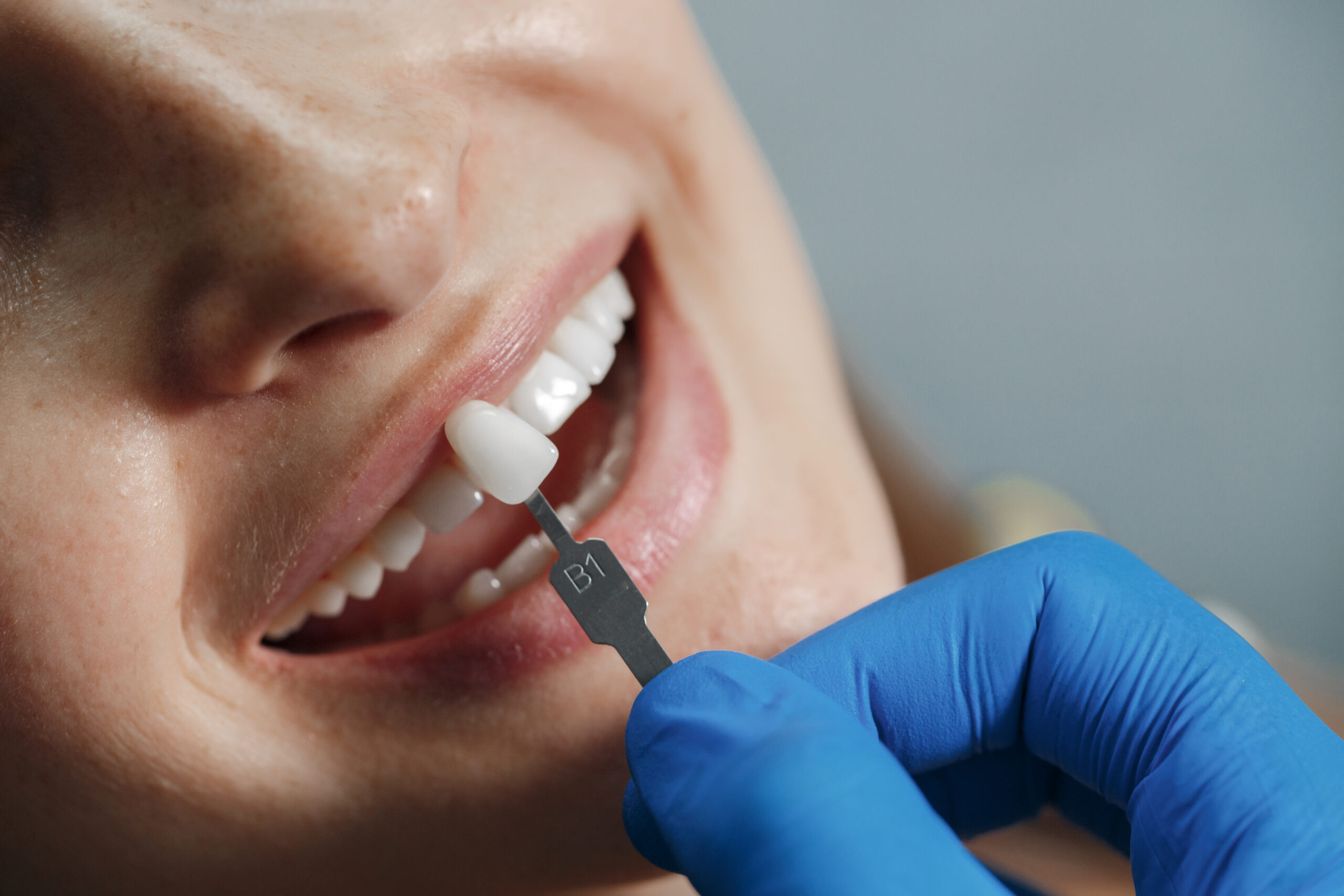
Dental veneers have become one of the most refined approaches in cosmetic dentistry for enhancing a smile. Designed to improve tooth color, shape, alignment, and symmetry, veneers offer patients a tailored solution for a more balanced, confident appearance.
The materials used to create veneers play a crucial role in their durability, aesthetic quality, and long-term value. Porcelain, in particular, is often the material of choice among dentists because it provides an ideal balance of strength and natural translucency, creating a lifelike, harmonious smile.
Patients exploring cosmetic dental treatment may also encounter zirconia veneers, which offer exceptional strength for cases requiring extra durability. While cost is naturally part of the discussion, the overall value of veneers is best understood through craftsmanship, material quality, and professional expertise.
A consultation with an experienced cosmetic dentist can help patients navigate these options and select the material that best aligns with their aesthetic goals and long-term oral health.
What are dental veneers?
Dental veneers are thin shells designed to cover the front surface of teeth. They are carefully crafted to improve the appearance of teeth affected by discoloration, minor misalignment, uneven edges, or small gaps. Once bonded, veneers create a smooth, natural-looking surface that blends seamlessly with the rest of the smile. The process begins with a consultation and evaluation, during which the dentist examines oral health and discusses aesthetic goals. Some patients seek subtle improvements, while others desire a more noticeable transformation. Once a treatment plan is established, the teeth are prepared, and impressions or digital scans are captured to craft veneers that match natural tooth structure, facial features, and desired outcomes.Common veneer materials used in dentistry
Several materials are commonly used for veneers, each offering unique benefits:- Porcelain veneers: Highly valued for their natural translucency and aesthetic harmony, porcelain veneers closely mimic tooth enamel. They reflect light like natural teeth, creating a lifelike, balanced appearance. In addition, porcelain offers exceptional durability, making it a preferred choice among cosmetic dentists for its combination of strength and aesthetic excellence.
- Composite veneers: Applied directly to teeth with tooth-colored resin, composite veneers offer faster treatment and easier adjustments. They are more prone to staining and wear over time compared with porcelain.
- Zirconia veneers: Made from a highly durable ceramic material, zirconia is exceptionally strong and resistant to chipping or fracture. While ideal for patients needing structural reinforcement, zirconia can be less translucent than porcelain, which may affect its ability to perfectly replicate natural tooth aesthetics.
Veneer durability and strength considerations
Durability is essential when choosing veneers. Both porcelain and zirconia offer strong, long-lasting solutions, but their applications differ.- Porcelain provides a balance of high strength and natural translucency, making it suitable for most cosmetic cases while maintaining a lifelike appearance.
- Zirconia is extremely resistant to chipping and fracture, making it ideal for patients with strong bite forces or habits that place additional stress on teeth.
Aesthetic qualities and natural appearance
Cosmetic dentistry aims to enhance smiles with natural-looking results. Porcelain veneers are considered the gold standard for translucency and aesthetic harmony, closely replicating natural enamel. With careful shading and surface detail, porcelain achieves a seamless integration with surrounding teeth. Zirconia veneers have improved over the years, with laboratories able to enhance color and surface texture. However, porcelain remains the preferred choice when a highly natural, translucent finish is the primary aesthetic goal. The artistic skill of both the dentist and the laboratory technician plays a crucial role in achieving a flawless, balanced smile.Factors that influence veneer longevity
High-quality veneers can last 10–15 years or more when properly cared for. Longevity depends on several factors:- Oral hygiene: Regular brushing, flossing, and dental visits help maintain veneers in excellent condition.
- Bite alignment: Proper evaluation prevents uneven forces that could stress veneers.
- Lifestyle habits: Avoid biting hard objects or using teeth as tools to minimize damage.

