


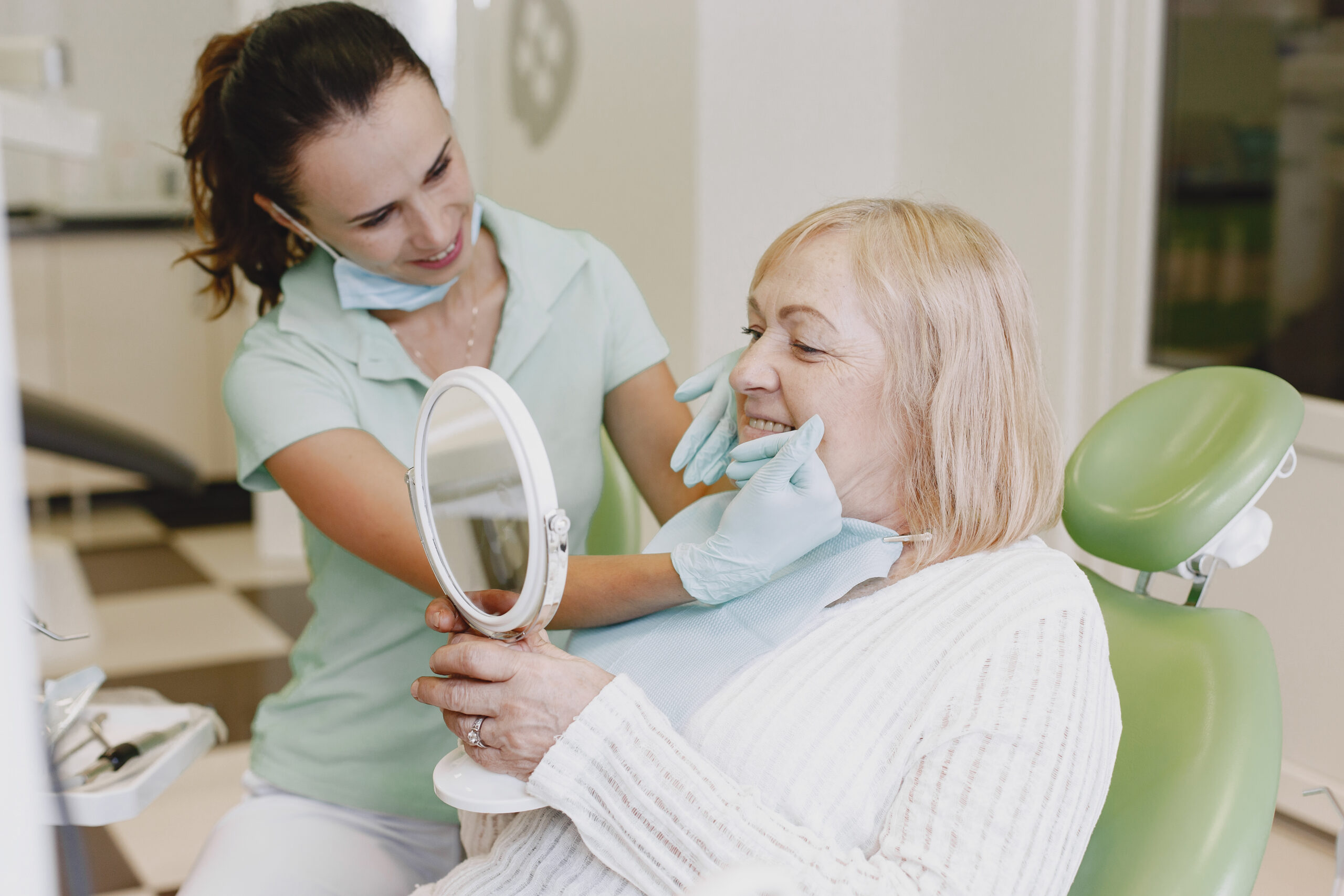
At a dental clinic in Alabang, patients often ask why some smiles seem to age faster than others. Tooth wear, discoloration, gum recession, shifting teeth, and missing dental support can accumulate differently from person to person. Genetics can influence the starting point, but daily habits, bite forces, oral health, medications, and previous dental treatment often have a greater effect on how the smile changes over time.
Two people of the same age may therefore have very different-looking smiles. One may retain even tooth edges and healthy gum contours, while the other develops flattened teeth, darkened enamel, crowding, or visible gaps.
These changes are not always purely cosmetic. A smile that appears older may also show signs of enamel loss, gum disease, grinding, decay, or damaged restorations that should be assessed before aesthetic treatment is considered.
What This Means for Patients
An aging-looking smile does not automatically mean that veneers or extensive treatment are needed. The first step is identifying whether the main concern comes from color, tooth wear, gum position, alignment, missing teeth, or a combination of factors. Early assessment can also make treatment more conservative. Minor wear or movement may be easier to manage before tooth structure, bite support, or gum health deteriorates further.What Makes a Smile Appear Older?
People often associate an aging smile with yellow teeth, but color is only one part of the picture. A youthful-looking smile commonly has visible enamel texture, defined tooth edges, balanced proportions, healthy gum contours, and enough dental support to maintain the shape of the lower face. As these features change, the smile can begin to look older even when the person’s facial skin has changed very little. The most noticeable contributors usually include:- Darker or more uneven tooth color
- Shortened, chipped, or flattened teeth
- Receding or inflamed gums
- Crowding and shifting tooth positions
- Missing teeth or reduced bite support
- Old restorations that no longer blend naturally
- Changes in how much tooth shows when smiling
Why Do Teeth Become Darker With Time?
Tooth color can change from both the outside and the inside. Surface pigments from coffee, tea, tobacco, wine, and strongly colored food may gradually collect on the teeth. Professional cleaning can remove some external staining, while whitening may help change the color or shade of natural teeth. Internal changes also occur. Enamel is translucent, and the dentin beneath it naturally influences the tooth’s color. As enamel becomes thinner or more worn, the deeper yellow or brown tones of dentin may become more visible. A tooth may also darken differently from the surrounding teeth because of trauma, decay, previous root canal treatment, or an aging restoration. Whitening the entire smile without first identifying the cause may leave that tooth noticeably uneven. The American Dental Association’s guidance on aging and dental health notes that older adults may experience several oral-health concerns, including decay, dry mouth, and periodontal disease. These conditions can affect both the health and appearance of the smile.How Does Tooth Wear Change the Smile?
Tooth wear can shorten the teeth, flatten their edges, reduce surface texture, and make the smile look less defined. The front teeth may begin to appear more even across the edge because the natural curves and slight height differences have worn away. Small chips may develop, and the darker dentin beneath the enamel can become more visible. Tooth wear can result from several processes:- Attrition: tooth-to-tooth contact, often associated with grinding or clenching
- Erosion: chemical softening caused by acids from food, drinks, or the stomach
- Abrasion: mechanical wear from habits or overly forceful brushing
Can Grinding Make a Smile Age Faster?
Grinding and clenching can accelerate tooth wear, particularly when the habit continues for years. A patient may not know they grind because it often happens during sleep. Possible signs include flattened tooth edges, small enamel fractures, jaw fatigue, morning headaches, sensitivity, or repeated damage to fillings and crowns. However, worn teeth do not automatically confirm grinding. Acid exposure, bite relationships, missing teeth, and certain habits can produce similar changes. A dentist may need to examine wear patterns and ask about symptoms before determining the likely causes. Management depends on the findings. It may include monitoring, treating damaged teeth, reviewing bite forces, or using a professionally made protective appliance when appropriate.How Do Gum Changes Affect the Appearance of a Smile?
Healthy gums frame the teeth. When the gumline becomes uneven, inflamed, or recessed, the teeth may appear longer and the spaces between them may become more visible. Gum recession can expose root surfaces that are naturally different in color and lack the enamel covering found on the crowns of the teeth. These areas may also be more sensitive and more vulnerable to root decay. Recession can be associated with:- Gum disease
- Thin gum tissue
- Aggressive brushing
- Tooth position
- Orthodontic history
- Tobacco use
- Repeated inflammation
- Natural changes over time
Why Do Teeth Shift as Adults Get Older?
Teeth can continue to change position throughout adulthood. Lower front teeth may gradually become crowded, spaces may open, or teeth may tilt toward an existing gap. Previous orthodontic results can also relapse when retainers are no longer worn as prescribed. Changes in tooth position may be influenced by:- Natural movement over time
- Loss of a tooth
- Gum and bone support
- Bite forces
- Previous orthodontic treatment
- Uneven wear
- Changes in neighboring restorations
How Do Missing Teeth Affect Facial and Smile Support?
A missing tooth can affect more than the gap itself. Neighboring teeth may tilt or drift, while the opposing tooth may move into the unused space. Over time, these changes can alter the bite and make future replacement more complicated. Multiple missing teeth can reduce support within the bite. Depending on their location and number, this may affect chewing, tooth position, and the appearance of the lower face. Replacement options may include an implant, bridge, or removable prosthesis. The appropriate choice depends on bone support, gum health, the condition of neighboring teeth, the patient’s medical history, and maintenance needs. Replacing a tooth should therefore be planned as part of the complete dental system rather than as an isolated cosmetic correction.Can Older Dental Work Make the Smile Look Uneven?
Dental restorations also change over time. A front crown may no longer match if the surrounding natural teeth have darkened or been whitened. Tooth-colored fillings can stain at their margins, while older crowns may become more noticeable if the gumline recedes. Changes in appearance do not always mean a restoration needs immediate replacement. The dentist should first check:- Whether the restoration remains sealed and structurally sound
- Whether decay is present underneath or around it
- How it affects the bite
- Whether the surrounding gum tissue is healthy
- Whether replacement would require removing additional tooth structure
Does Dry Mouth Contribute to an Aging Smile?
Saliva helps wash away food particles, balance acids, lubricate tissues, and protect the teeth. Dry mouth may be associated with medications, medical conditions, dehydration, tobacco use, or changes in salivary function. When it persists, the risk of decay, discomfort, bad breath, and difficulty wearing removable dental appliances can increase. Someone with dry mouth may notice repeated decay near the gumline or around existing restorations. Simply repairing each area without addressing the underlying dryness may lead to a cycle of recurring treatment. The cause should be reviewed so the dentist can recommend appropriate preventive care and determine whether medical coordination is needed.Can an Aging Smile Be Improved Without Extensive Treatment?
Yes. Treatment should match the cause and severity of the concern rather than automatically beginning with a full smile makeover. Depending on the assessment, improvement may involve:- Professional cleaning
- Dentist-supervised whitening
- Repairing a small chip
- Replacing a failing restoration
- Managing grinding or acid exposure
- Treating gum inflammation
- Minor orthodontic movement
- Restoring one or more worn teeth
- Replacing a missing tooth

