


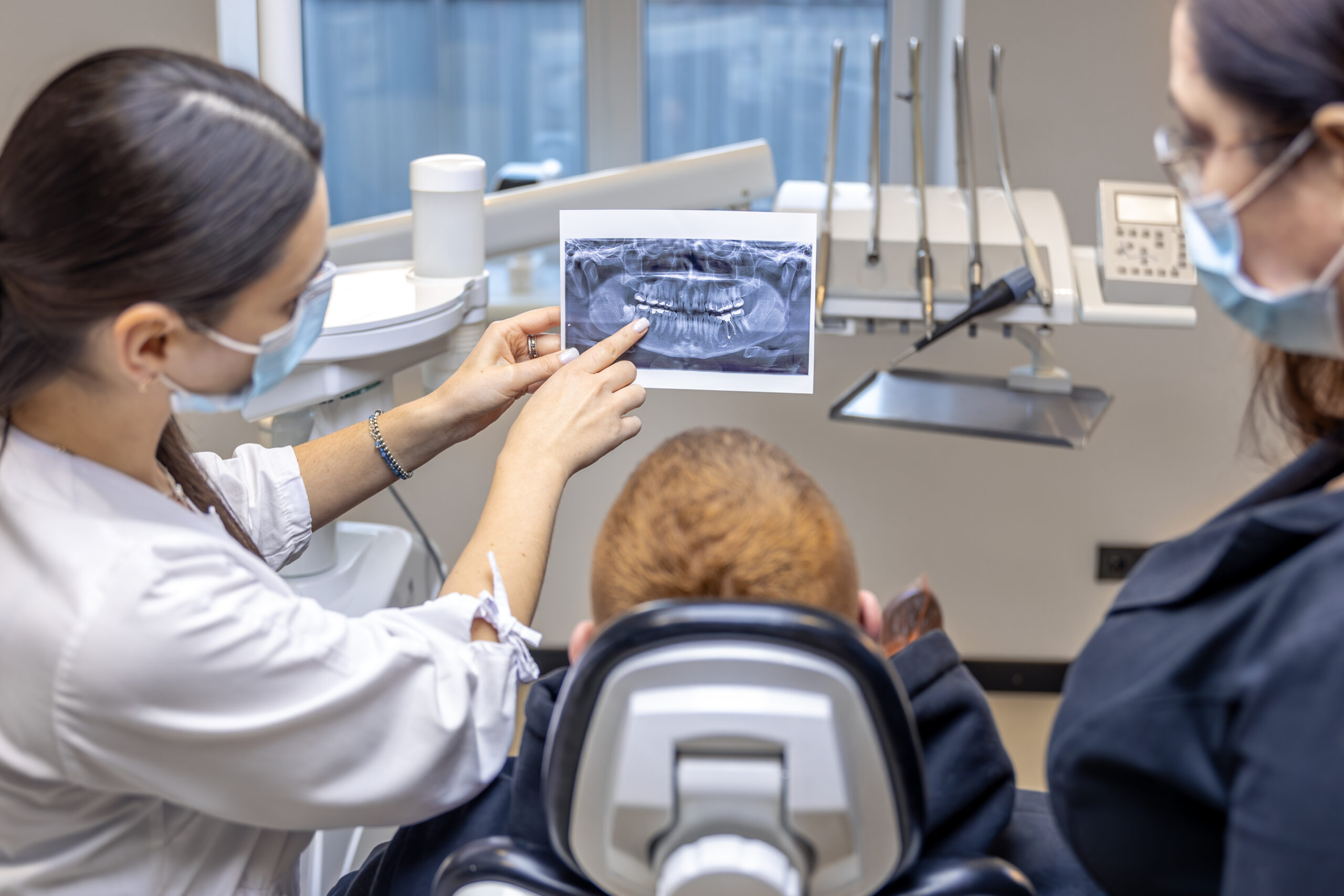
Minor orthodontic adjustments can create a noticeable improvement when a small gap, rotated tooth, uneven edge position, or mild relapse disrupts the balance of an otherwise healthy smile. However, even limited movement should be planned around the entire bite, gum health, tooth roots, and available space—not only the teeth visible from the front.
A patient may feel that one slightly rotated tooth is the only concern. Moving it safely may still require space to be created, neighboring teeth to be repositioned, or the opposing bite to be considered.
The visible change may be small, but the planning behind it should remain comprehensive.
Why This Is Useful for Patients
Minor orthodontic treatment may improve a smile without immediately turning to veneers, crowns, or extensive bonding. Aligning the teeth first may allow a more conservative restorative approach in selected cases and create better conditions for whitening or limited restorative work later. The term “minor” describes the visible concern, not necessarily the clinical complexity. A proper assessment is needed to determine whether limited treatment can produce a stable and functional result.What Counts as a Minor Orthodontic Adjustment?
Minor orthodontic treatment usually refers to focused tooth movement intended to address a relatively limited alignment concern. Examples may include:- Closing a small space between teeth
- Correcting mild crowding
- Repositioning a slightly rotated tooth
- Improving uneven front-tooth alignment
- Correcting limited relapse after previous braces
- Creating more balanced space before bonding or veneers
- Moving a tooth before an implant, crown, or bridge
- Improving selected bite contacts
How Can a Small Tooth Movement Change the Smile?
The front teeth strongly influence symmetry, visual balance, and the shape of the smile. A tooth that sits slightly behind the dental arch may appear darker because it receives less light. A rotated tooth may make one side of the smile look narrower. A small gap can interrupt otherwise balanced proportions. Minor movement can improve:- The apparent symmetry of the front teeth
- The way light reflects across the smile
- Tooth-edge alignment
- Spacing between neighboring teeth
- The relationship between tooth position and the gumline
- The amount of natural tooth structure needed for later restorations
Can Clear Aligners Treat Minor Alignment Concerns?
Clear aligners can treat many limited orthodontic concerns, but suitability depends on the movement required. Aligners are custom-formed trays worn in sequence. Each stage applies controlled pressure to selected teeth, gradually guiding them toward their planned positions. The American Association of Orthodontists describes clear aligners as thin, custom-made trays that apply sequential pressure to move teeth. They may be considered for:- Mild crowding
- Small gaps
- Selected rotations
- Minor relapse
- Limited arch alignment
- Certain pre-restorative movements
Why Should the Entire Bite Be Assessed?
Straightening only the teeth that show in photographs can overlook how the upper and lower teeth function together. A small movement in the front may affect:- How the teeth contact during biting
- Space elsewhere in the arch
- The position of neighboring teeth
- Stability after treatment
- Pressure on the front teeth
- The ability to clean between teeth
What Happens During a Minor Orthodontic Assessment?
A detailed assessment helps determine whether limited treatment is appropriate or whether a broader approach is needed. The dentist may examine:- The position and rotation of each tooth
- Available space within the dental arch
- Upper and lower bite relationships
- Gum health and bone support
- Tooth mobility
- Existing fillings, crowns, veneers, or implants
- Previous orthodontic treatment
- Retainer history
- Signs of grinding or uneven wear
- Facial proportions and smile display
Is Minor Orthodontic Treatment Always Faster?
Not necessarily. Limited treatment may involve fewer movements and can sometimes be completed within several months. However, the timeline depends on biological response, tooth position, available space, aligner wear, bite requirements, and whether refinements are needed. A single rotated tooth may move slowly because rotation can be technically demanding. Another case involving several mildly crowded teeth may progress more predictably even though more teeth are involved. Treatment time may be affected by:- The type of movement required
- Root shape and position
- Gum and bone health
- The severity of rotation or crowding
- Daily aligner wear
- Appointment attendance
- The need for attachments or elastics
- Additional refinement aligners
Why Is Aligner Wear Important Even for Small Corrections?
Clear aligners need to be worn as prescribed to deliver the planned tooth movements. Patients are generally instructed to wear their trays for most of the day and remove them for meals, most drinks, and oral hygiene. The precise schedule should follow the treating dentist’s instructions. Inconsistent wear can cause the teeth to fall behind the digital plan. The next tray may feel unusually tight or fail to seat completely, which can extend treatment or require another scan. A patient seeking only a small improvement still needs to consider whether aligners fit their routine. Frequent removal for long meals, meetings, or social events may interfere with progress.Can Minor Orthodontics Reduce the Need for Veneers?
In selected cases, yes. A patient may initially consider veneers because one tooth appears too narrow, uneven, or set farther back than the others. The apparent shape problem may partly come from tooth position. Moving the tooth first can sometimes:- Improve visible proportions
- Reduce the amount of enamel preparation needed
- Create more even spaces for conservative bonding
- Help untreated teeth match more naturally
- Improve the placement of a future crown or veneer
Can Teeth Be Whitened Before or After Minor Orthodontics?
Whitening is often planned after active orthodontic treatment, particularly when attachments have been bonded to the teeth. Waiting allows the dentist to assess the final tooth positions and create a more even whitening plan. It also prevents the shade from being selected around temporary attachments. The sequence may differ when restorative work is planned. Natural teeth are usually whitened before the final shade of veneers, crowns, or bonding is selected because those materials do not whiten like enamel. A comprehensive plan should therefore coordinate alignment, whitening, and restorative treatment from the beginning.Are Minor Adjustments Suitable After Previous Braces?
Minor relapse is a common reason adults return for orthodontic assessment. A lower-front tooth may rotate, a small gap may reopen, or teeth may gradually crowd after retainer use is reduced or stopped. Depending on the amount of movement and the current bite, clear aligners may help reposition the teeth. A previous retainer should not automatically be forced over teeth that have shifted. A tight retainer may not produce controlled movement and could place uneven pressure on the teeth or gums. The dentist should determine whether:- The old retainer still fits safely
- New orthodontic movement is required
- A limited aligner plan may be suitable
- A broader correction is needed
- New retainers should be made after treatment
Will Retainers Be Needed After a Small Correction?
Yes. Even minor orthodontic movement requires retention. Teeth can continue to shift after active treatment because the surrounding bone and soft tissues need time to stabilize. Natural age-related movement can also continue throughout adulthood. Retainers may be removable, fixed behind the teeth, or used in combination. The recommended design and wear schedule depend on the tooth positions, bite, gum health, and risk of relapse. Patients should view retainers as part of treatment rather than as an optional accessory.When Is Limited Orthodontic Treatment Not Enough?
A focused approach may not be appropriate when the concern involves:- Significant crowding
- Severe tooth rotation
- A substantial overbite, underbite, open bite, or crossbite
- Skeletal jaw discrepancies
- Active gum disease
- Inadequate bone support
- Impacted teeth
- Extensive tooth wear
- Several missing teeth
- Complex restorative needs

