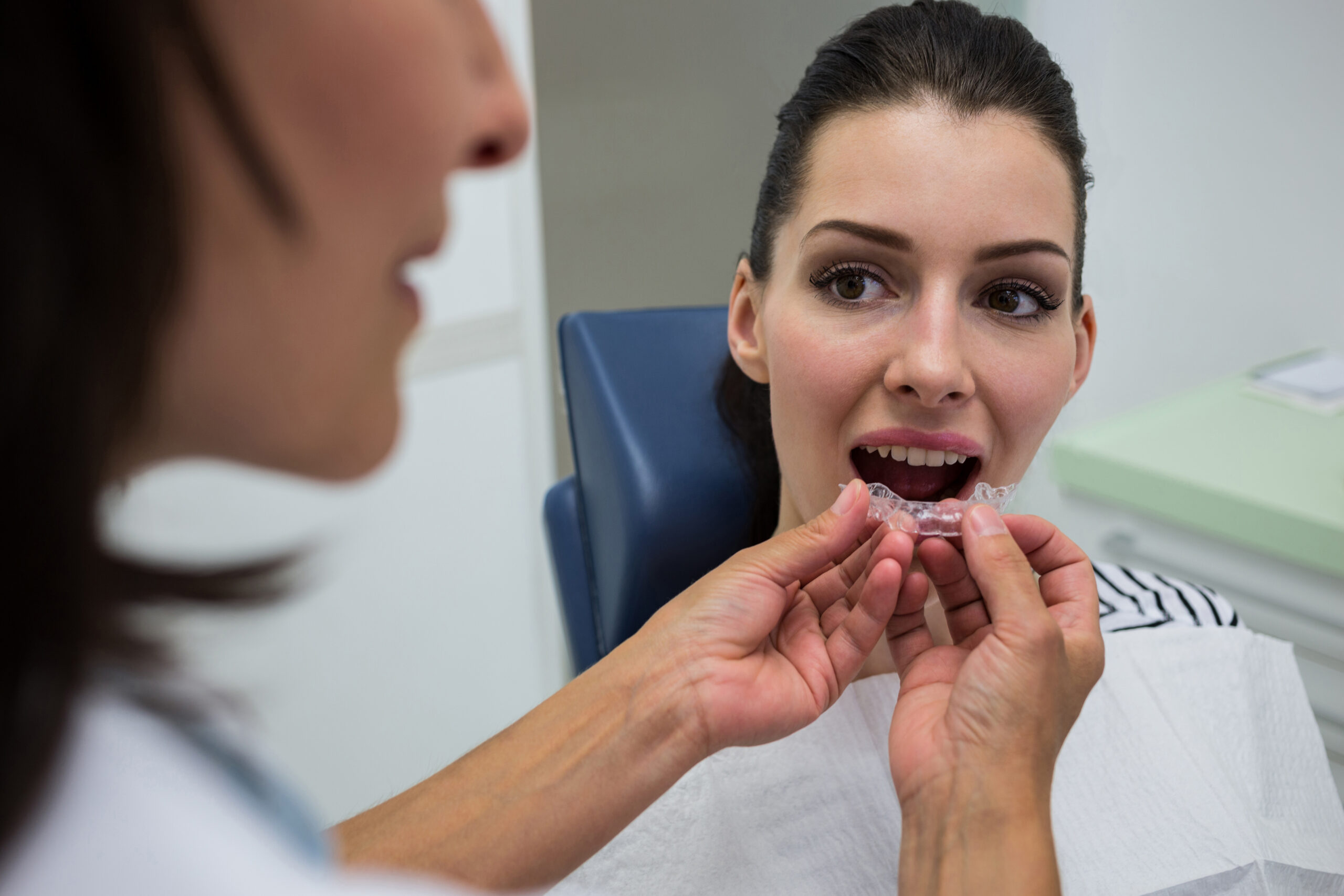
Many adults want a straighter smile, but they may hesitate because they do not want the look or feel of traditional braces. This is one reason patients now ask about
clear aligners in the Philippines when exploring discreet ways to improve tooth alignment. For the right case, Invisalign can offer a more subtle and lifestyle-friendly approach to straightening teeth.
Invisalign uses a series of clear, removable aligners that gradually guide the teeth into a better position. Each set is designed to make small movements over time. Since the aligners are removable, patients can still eat, brush, and floss without brackets or wires getting in the way.
However, Invisalign is not for everyone. The right treatment depends on the condition of the teeth and gums, the bite, the amount of movement needed, and the patient’s ability to wear the aligners consistently. Below are signs that Invisalign may be worth discussing during a dental consultation.
1. You Have Mild to Moderate Crowding
Crowding happens when there is not enough space for the teeth to sit neatly beside each other. Some teeth may overlap, twist, or appear pushed forward. For many patients, this is one of the first things they notice when looking at photos or smiling in the mirror.
Invisalign may help with mild to moderate crowding by slowly guiding the teeth into a better position. Each aligner makes small changes, and the full result builds gradually. This can make the smile look cleaner and more balanced over time.
However, not all crowding can be treated with aligners alone. If the crowding is severe, the dentist may discuss other options or a more detailed treatment plan. This is why a proper assessment is important before deciding.
2. You Have Small Gaps Between Teeth
Some patients have spaces between their teeth that make the smile look unfinished. These gaps may be between the front teeth or spread across several areas of the mouth. While some people like their natural spacing, others prefer a more even smile.
Invisalign may help close certain small gaps by moving the teeth closer together. This can improve the smile without changing the surface of the teeth. For patients who want a conservative approach, alignment may be a helpful first step.
The dentist will also check why the gaps are present. In some cases, spacing may be related to tooth size, gum health, missing teeth, or bite position. Understanding the cause helps guide the right recommendation.
3. Your Teeth Look Slightly Crooked in Photos
Many people first notice alignment concerns in photos. One tooth may look tilted. One side of the smile may seem more crowded. The front teeth may not line up as evenly as expected.
This does not always mean the problem is severe. Sometimes, small rotations or uneven tooth positions can make the smile look less balanced than it feels in person. Invisalign may be useful in these cases because it can make controlled, gradual changes.
A digital scan can also help patients understand what they are seeing. Instead of guessing from a selfie or mirror view, the dentist can show how the teeth are positioned and whether aligners may help.
4. You Want a Straighter Smile Without Metal Braces
One of the main reasons adults consider Invisalign is that the aligners are clear and discreet. They are not invisible, but they are usually less noticeable than metal braces. This can appeal to patients who attend meetings, events, weddings, or social gatherings while undergoing treatment.
The
American Association of Orthodontists explains that clear aligners are plastic trays shaped to a patient’s mouth and are often used to straighten crooked or crowded teeth. Because they are removable, they can also fit more easily into daily routines when used properly.
This convenience is helpful, but it comes with responsibility. Invisalign only works when the aligners are worn as instructed. If they are removed too often, treatment may take longer or may not progress as planned.
5. You Can Commit to Wearing Aligners Daily
Invisalign may look simple, but it still requires discipline. The aligners usually need to be worn for most of the day and removed only for eating, drinking anything other than water, brushing, and flossing. This daily habit is one of the biggest parts of treatment success.
A patient who snacks often, drinks coffee throughout the day, or forgets routines may need to think carefully before starting. The aligners must be worn consistently so the teeth can move according to plan. Otherwise, the trays may feel tight, stop fitting well, or delay progress.
This is why consultation should include a lifestyle discussion. A good treatment plan does not only look at the teeth. It also considers whether the patient’s daily habits can support the process.
6. You Have Bite Concerns That May Be Mild Enough for Aligners
Invisalign is not only about making teeth look straighter. In some cases, it may also help improve how the teeth meet when the mouth closes. This may include certain mild bite concerns, depending on the patient’s case.
A patient may notice that some teeth touch more heavily than others. They may feel that the front teeth overlap too much. They may also notice uneven wear on certain teeth. These signs do not automatically mean Invisalign is the right answer, but they are worth checking.
At this stage, tools such as the iTero Scanner can help the dentist review tooth position and bite details more clearly. This allows the patient to see what the dentist is assessing and why certain movements may or may not be recommended.
7. You Want to Improve Your Smile Before Cosmetic Dental Work
Some patients consider veneers, bonding, or whitening because their smile looks uneven. However, the issue may sometimes be tooth position rather than tooth shape. In these cases, moving the teeth first may create a better foundation for future cosmetic work.
For example, a patient may think one front tooth is too short because it appears hidden beside the others. Another patient may think several teeth need veneers, but alignment may make the smile look more even before any porcelain work is considered. This kind of planning can help avoid unnecessary changes to natural teeth.
This is why a smile assessment matters. The dentist can explain whether Invisalign, veneers, whitening, or a combination of treatments would make the most sense. The goal is not to do more treatment. It is to choose the right sequence.
8. Your Teeth Have Shifted After Past Braces
Many adults wore braces as teenagers but stopped using their retainers years ago. Over time, the teeth may shift. The change can be small at first, then become more noticeable in the front teeth.
Invisalign may be an option for some relapse cases, especially when the movement is mild to moderate. The aligners can help guide the teeth back into a better position. After treatment, retainers are usually needed to help maintain the result.
This is a common scenario in adult smile consultations. The patient may not need a dramatic transformation. They may simply want to regain the cleaner alignment they once had.
9. You Prefer a Treatment That Fits Around Work and Social Life
Invisalign can be appealing because the aligners can be removed for meals and important occasions. This can make treatment feel more manageable for adults who work, travel, attend events, or meet clients regularly.
However, removability should not be confused with optional wear. The aligners still need to be worn consistently. If they are removed too often, the teeth may not move as expected.
Patients who do well with Invisalign are usually those who can build it into their routine. They keep their aligner case nearby, brush before putting the trays back in, and follow the dentist’s instructions closely. These small habits can make treatment feel smoother.
10. You Want a Guided, Monitored Treatment
Invisalign works best when it is properly planned and monitored. Even though the aligners look simple, tooth movement still needs professional guidance. The dentist needs to check progress, fit, comfort, and whether the teeth are moving as expected.
This is especially important for patients with bite concerns, older dental work, sensitive gums, or a history of grinding. A clear aligner plan should not be based only on appearance. It should also consider oral health, comfort, and long-term stability.
Elevate Dental is a Platinum Invisalign Provider, which reflects experience with Invisalign treatment planning. For patients, this can mean a more structured consultation, clearer explanations, and better guidance throughout the process.
11. You Understand That Invisalign Is Not Instant
Invisalign is gradual. Each aligner makes small changes, and the full result takes time. Some patients may notice early changes, but the final outcome depends on the treatment plan and how consistently the aligners are worn.
This is why patients should be prepared for a process, not a quick fix. There may be checkups, new aligner sets, small adjustments, or refinements along the way. These steps help guide the teeth toward the planned position.
A calm consultation should explain the expected timeline before treatment begins. It should also cover what the patient needs to do at home, how to clean the aligners, and what to expect when switching to a new tray.
12. You Are Open to a Full Smile Assessment First
A patient may feel sure they want Invisalign, but the dentist still needs to assess the full smile. This includes the teeth, gums, bite, jaw movement, old fillings, and overall oral health. Without this step, it is difficult to know whether aligners are suitable.
For example, active gum problems may need treatment first. Cavities should be addressed before aligner treatment begins. A patient with a more complex bite may need a different approach.
A full smile assessment can also show whether Invisalign should be the first step or part of a wider plan. Some patients may benefit from alignment first, then whitening. Others may need Invisalign before veneers. The right plan depends on what the smile needs, not just what treatment sounds most appealing at first.
Conclusion
Invisalign may be a good option for patients with mild to moderate crowding, small gaps, shifted teeth after braces, or smile concerns linked to tooth position. It may also suit adults who want a discreet treatment and can commit to wearing their aligners consistently. However, the only way to know if it is right for you is through a proper consultation.
If you are exploring
clear aligners in the Philippines and want to know whether Invisalign suits your smile, a full assessment can help clarify your options.
For patients considering Invisalign, Elevate Dental can help assess your teeth, explain whether clear aligners are suitable, and guide the next steps with care. Schedule an appointment or call us to arrange a consultation.