


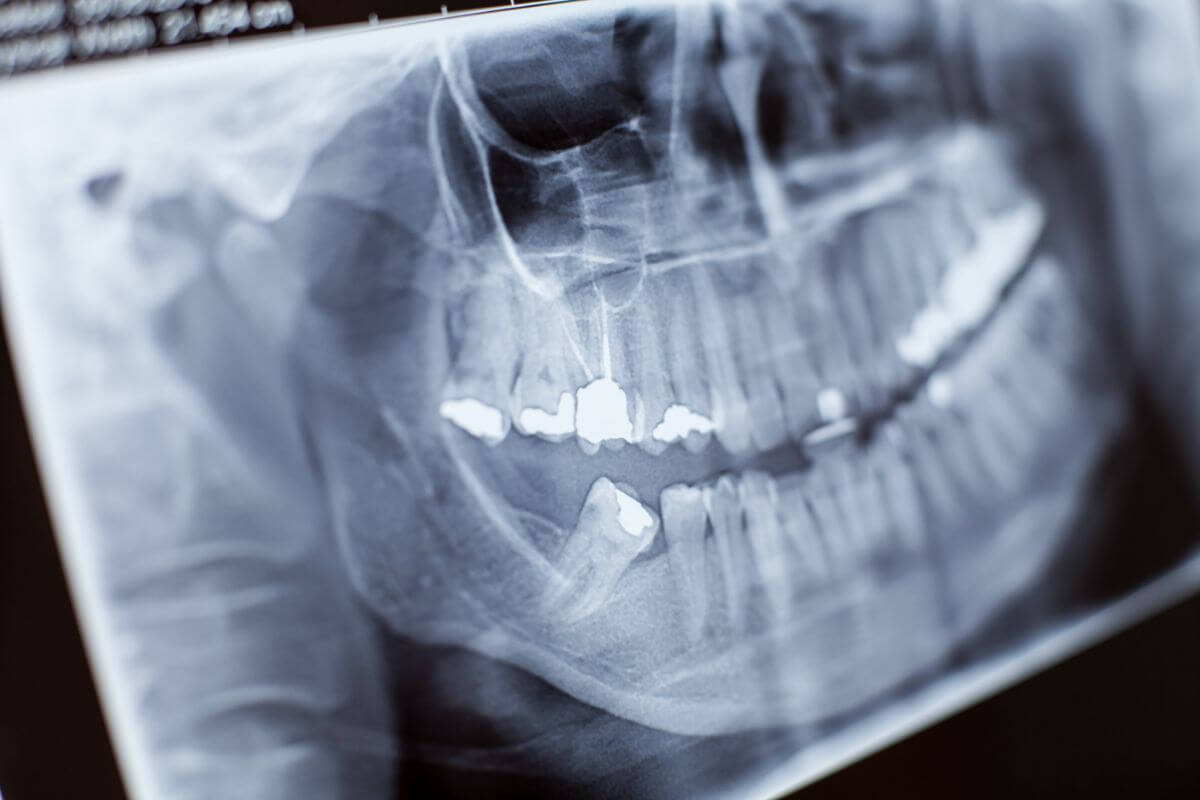
What are the symptoms of impacted teeth?
- Pain or Discomfort
- Swelling
- Bad Breath
- Difficulty Chewing or Speaking
- Headaches or Earaches
- Stiffness in the Jaw
- Sinus Problems
Pain or Discomfort
 When a tooth is impacted, it can put pressure on the surrounding teeth and gums, leading to pain and discomfort in the affected area. The pain may be sharp, or it may be a dull ache that radiates throughout the jaw and face.
In some cases, the pain can be severe and interfere with daily activities such as eating and speaking. Additionally, impacted teeth can cause swelling and inflammation, contributing to further pain and discomfort.
When a tooth is impacted, it can put pressure on the surrounding teeth and gums, leading to pain and discomfort in the affected area. The pain may be sharp, or it may be a dull ache that radiates throughout the jaw and face.
In some cases, the pain can be severe and interfere with daily activities such as eating and speaking. Additionally, impacted teeth can cause swelling and inflammation, contributing to further pain and discomfort.
Swelling
Swelling is a common symptom of an impacted tooth, but don't worry, your dentist can help! When a tooth is impacted, it can put pressure on the surrounding tissues, causing inflammation and swelling in the affected area. This swelling can be pretty uncomfortable and may make the affected region tender to the touch. Sometimes the swelling can extend to other areas of the face and jaw, and you may notice redness and warmth in the affected region. If left untreated, the swelling can worsen and lead to more severe complications, such as an infection. That's why it's essential to seek prompt treatment if you experience any swelling in the teeth or gums.Bad Breath
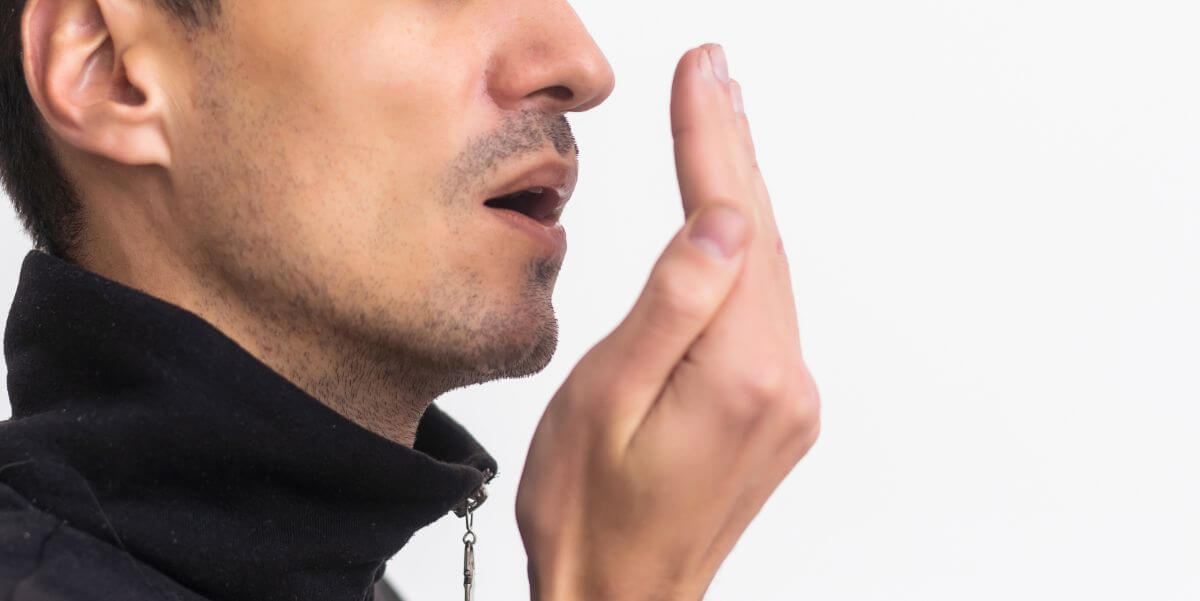 When a tooth is impacted, it can create a space between it and the gum line where food debris and bacteria can accumulate. This can lead to the development of plaque and tartar, which can contribute to tooth decay, gum disease, and bad breath.
Also, the inflammation and infection caused by an impacted tooth can cause a foul taste in the mouth. Sometimes, bad breath and foul taste may persist, even after brushing and flossing.
It’s also important to take note that practicing good oral hygiene, such as regular brushing and flossing, can help prevent the buildup of bacteria and food debris that can contribute to bad breath and foul taste.
When a tooth is impacted, it can create a space between it and the gum line where food debris and bacteria can accumulate. This can lead to the development of plaque and tartar, which can contribute to tooth decay, gum disease, and bad breath.
Also, the inflammation and infection caused by an impacted tooth can cause a foul taste in the mouth. Sometimes, bad breath and foul taste may persist, even after brushing and flossing.
It’s also important to take note that practicing good oral hygiene, such as regular brushing and flossing, can help prevent the buildup of bacteria and food debris that can contribute to bad breath and foul taste.
Difficulty Chewing or Speaking
An impacted tooth can cause pressure and inflammation that can lead to swelling in the gums and surrounding tissues. This swelling can make it challenging to move your jaw and tongue and cause difficulty chewing or speaking. Sometimes, you may even experience clicking or popping sounds in your jaw.Headaches or Earaches
 The pressure caused by an impacted tooth can contribute to changes in your bite, causing shifting and pathological sliding of your lower that could cause TMJ disorder. TMJ disorder caused by impacted 3rd molars can lead to headaches or earaches. The pain may be dull and persistent or sharp and intermittent and may be accompanied by other symptoms such as ear ringing or dizziness.
The headaches or earaches may be misdiagnosed as migraines or ear infections, making it important to seek the advice of a dentist if you experience persistent pain in the head or ears.
The pressure caused by an impacted tooth can contribute to changes in your bite, causing shifting and pathological sliding of your lower that could cause TMJ disorder. TMJ disorder caused by impacted 3rd molars can lead to headaches or earaches. The pain may be dull and persistent or sharp and intermittent and may be accompanied by other symptoms such as ear ringing or dizziness.
The headaches or earaches may be misdiagnosed as migraines or ear infections, making it important to seek the advice of a dentist if you experience persistent pain in the head or ears.

