Urban life moves quickly. Schedules are full, expectations are high, and many professionals balance demanding careers with personal responsibilities. In this environment, healthcare experiences that feel rushed or transactional can quickly become frustrating. Dentistry, however, is one area where thoughtful care still makes a meaningful difference.
Patients today are increasingly selective about where they receive dental treatment. Beyond convenience and proximity, they look for practices that deliver a calm, well-organized experience supported by expertise and attentive communication. This shift reflects a broader understanding that oral health is closely connected to overall well-being, confidence, and long-term quality of life.
In a modern city environment, dental practices must do more than provide routine procedures. They must create an experience that respects patients’ time while still offering the level of care and attention required for lasting results. For individuals exploring a trusted
dental clinic in Alabang, the decision often centers on finding a practice that blends advanced technology with a genuinely patient-centered approach.
Thoughtful dental care is not defined by speed or volume. Instead, it is shaped by how carefully clinicians listen, plan, and deliver treatment. In a setting where patients value comfort, discretion, and professional expertise, this approach becomes a defining quality of a modern dental practice.
Why thoughtful dental care matters today
The modern patient’s expectations
Patients today approach dental care with a different mindset compared with previous generations. Information about treatments, technologies, and oral health practices is widely available, allowing individuals to research their options before scheduling an appointment.
Because of this, expectations are often higher. Patients want clear explanations about procedures, potential outcomes, and long-term considerations. They appreciate when dental professionals take time to discuss treatment options rather than simply recommending a single path forward.
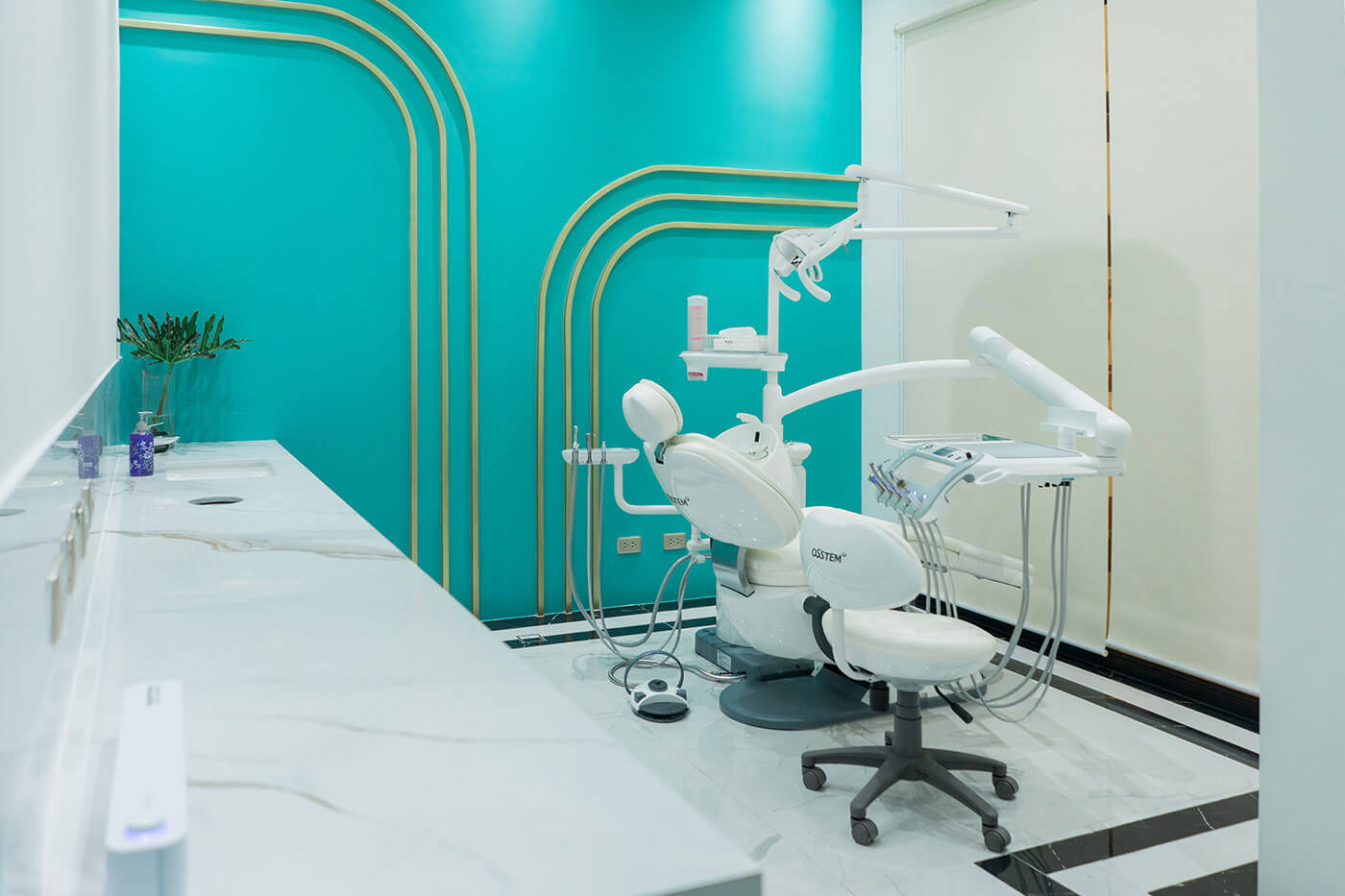
Equally important is the environment in which care is delivered. A well-designed dental clinic that prioritizes comfort can significantly influence how patients feel during their visit. Calm surroundings, attentive staff, and organized scheduling help create a sense of ease even before treatment begins.
In urban communities where many patients lead demanding lives, these details matter. They transform dental visits from a routine obligation into a thoughtful healthcare experience.
The role of communication in quality care
One of the most important elements of thoughtful dentistry is clear communication. Patients who understand their treatment plans are far more likely to feel confident about the process and comfortable moving forward with care.
Effective communication begins with listening. Dentists who ask thoughtful questions about a patient’s goals, concerns, and dental history gain valuable insight into how best to guide treatment decisions. Some patients may prioritize cosmetic improvements, while others focus on preventive care and long-term oral health.
Once these priorities are understood, the dentist can explain available options in a way that feels clear and approachable. Technical language may be necessary at times, but skilled clinicians present this information in terms that are easy to understand.
According to the
American Dental Association, patient education plays a vital role in improving oral health outcomes. When patients feel informed and involved, they are more likely to maintain consistent dental care habits and follow through with recommended treatments.
Integrating technology with personalized care
Modern dental practices have access to advanced tools that greatly enhance diagnostic accuracy and treatment planning. Digital scanning systems, for example, allow dentists to capture highly detailed impressions without the discomfort associated with traditional molds.
Three-dimensional imaging also enables clinicians to evaluate oral structures more precisely. This technology can reveal underlying issues that might not be visible during a standard examination, allowing for earlier and more effective intervention.
However, technology alone does not define a premium dental experience. Its value lies in its support for patient care. When used thoughtfully, these tools allow dentists to plan treatments with greater precision while helping patients visualize expected results.
For example, digital smile design systems can simulate potential cosmetic outcomes. This allows patients to review proposed changes before treatment begins, encouraging a collaborative decision-making process.
By combining advanced tools with attentive clinical judgment, dentists can deliver results that feel both modern and personalized.
The importance of individualized treatment planning
Every patient arrives with a unique dental history. Factors such as lifestyle, genetics, oral hygiene habits, and previous dental treatments all influence current oral health.
Because of this, thoughtful dental care avoids one-size-fits-all solutions. Instead, treatment plans are tailored to each patient’s needs and long-term goals.
During a comprehensive consultation, dentists typically evaluate several key aspects of oral health. These may include gum condition, bite alignment, enamel strength, and overall dental structure. Understanding how these elements interact allows clinicians to recommend treatments that are both effective and sustainable.
For some patients, the focus may be preventive care and routine maintenance. For others, cosmetic improvements such as veneers or orthodontic alignment may be appropriate. In many cases, a balanced treatment plan addresses both functional health and aesthetic concerns.
Individualized planning ensures that treatment decisions support long-term stability rather than short-term cosmetic changes alone.
Comfort as a core priority
Dental anxiety remains a common concern for many patients. Even individuals who maintain regular dental visits may still feel some level of nervousness before an appointment.
Modern dental practices recognize this and design their environments with patient comfort in mind. From the moment a patient enters the clinic, the goal is to create a space that feels calm and welcoming.
Comfort also extends to the clinical process itself. Dentists who explain each step of treatment beforehand help reduce uncertainty. Patients feel more at ease when they understand what to expect and can ask questions at any time.
Advancements in dental techniques also contribute to greater comfort. Precision instruments and minimally invasive approaches often reduce both treatment time and recovery discomfort.
When comfort becomes a priority rather than an afterthought, patients often develop a more positive relationship with dental care.
Building long-term trust with patients
A meaningful dental experience often develops over time. Patients who return to the same dental practice for regular care allow clinicians to build a comprehensive understanding of their oral health.
This continuity offers significant benefits. Dentists can track subtle changes in tooth structure, gum health, or bite alignment over several years. Early detection of potential concerns allows for preventive interventions that may reduce the need for more complex procedures later.
Long-term relationships also foster trust. Patients who feel comfortable with their dental team are more likely to discuss concerns openly, seek guidance when needed, and maintain consistent oral health habits.
This collaborative relationship ultimately strengthens both preventive care and treatment outcomes.
Efficiency without compromising quality
In busy urban communities, time is a valuable resource. Many patients appreciate dental practices that respect their schedules while still providing attentive care.
Achieving this balance requires thoughtful practice management. Efficient scheduling systems minimize waiting times, while organized clinical workflows ensure that appointments proceed smoothly.
At the same time, experienced dentists understand that quality care cannot be rushed. Each appointment must still allow time for meaningful consultation, careful examination, and precise treatment.
When efficiency and attentiveness work together, patients experience a visit that feels both streamlined and thorough.
Conclusion
Modern dentistry offers remarkable advancements in both technology and treatment techniques. Yet the most meaningful aspect of dental care often lies in how that care is delivered.
Thoughtful dental practices focus on communication, comfort, and individualized treatment planning. They recognize that patients are not simply seeking procedures but rather a trusted environment where their health and confidence are supported with care and professionalism.
For many individuals evaluating a reliable
dental clinic in Alabang, the decision ultimately reflects a desire for a patient-centered experience. Advanced tools and clinical expertise certainly play a role, but the defining quality is the attention given to each patient’s unique needs.
When dentistry is practiced thoughtfully, it becomes more than routine care. It becomes a partnership that helps patients maintain healthy, confident smiles while feeling respected and understood throughout the process.
Experience thoughtful, patient-centered dental care in Alabang—book your consultation today and take the first step toward a healthier, more confident smile.