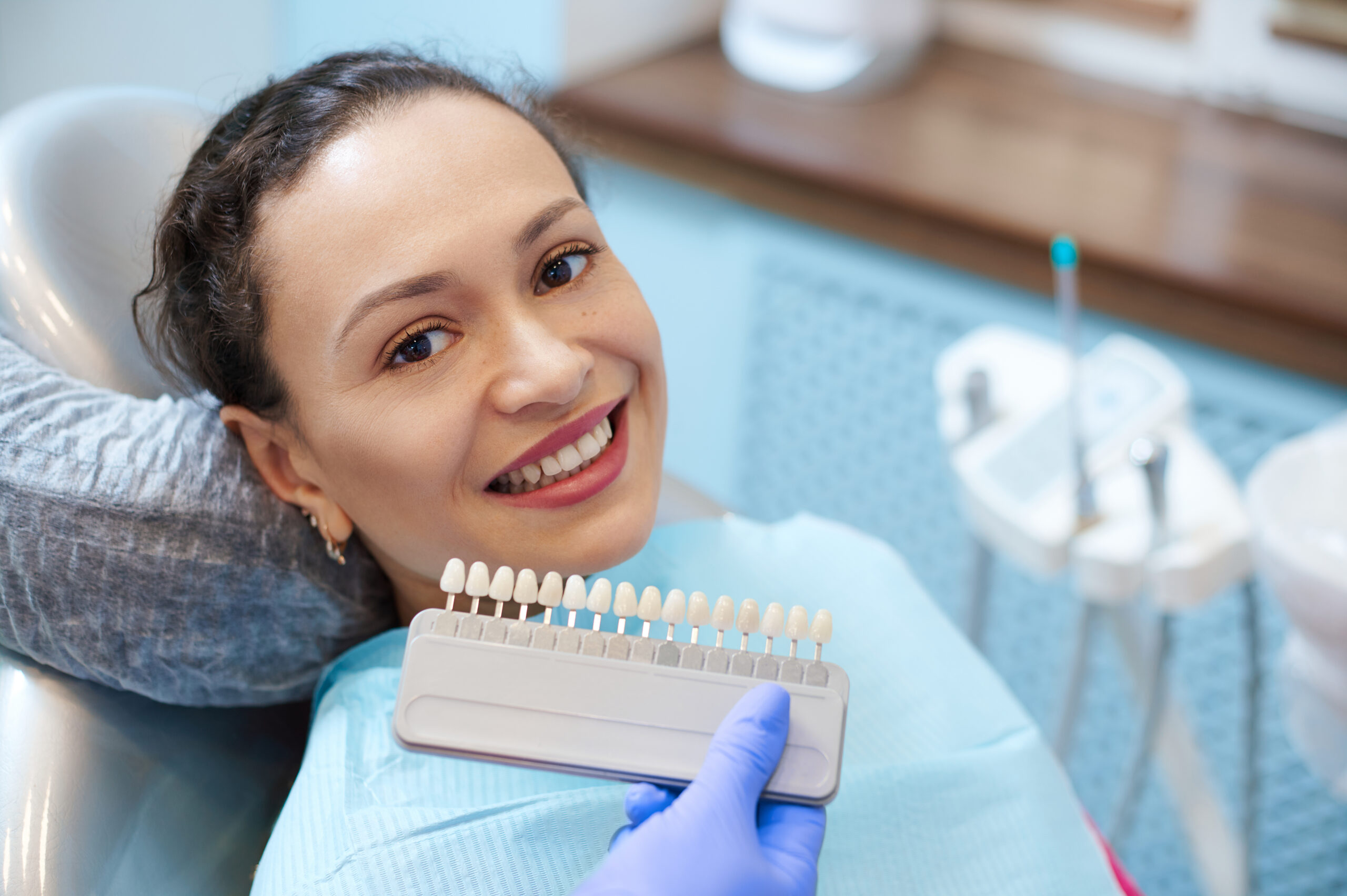
Natural-looking veneers are not just about making teeth whiter. They are about creating a smile that fits the person’s face, expression, and everyday life. This is why many patients who compare
porcelain veneers price in the Philippines are also trying to understand why some veneers look soft and believable, while others look too bright or obvious.
A beautiful veneer result usually starts with careful planning. The dentist looks at the patient’s face, lips, gum line, bite, tooth shape, and personal goals before recommending a design. Some patients want a noticeable smile transformation. Others prefer a quiet improvement that makes them look fresher without making it obvious that they had dental work done.
The science behind natural-looking veneers is really the science of balance. The smile should look polished, but still personal. It should enhance the face, not overpower it.
Natural-Looking Veneers Start With the Whole Face
The smile should suit your features
Veneers should never be planned as if the teeth exist on their own. The shape of the face, the fullness of the lips, and the way the teeth show when a patient speaks all affect how the final smile should look.
For example, very long or square teeth may look too strong on someone with softer features. On another patient, teeth that are too small or rounded may not create enough presence. These are small choices, but they can change the entire look of the smile.
This is why a natural result does not always mean perfectly even, extremely white teeth. It means the teeth look right for the patient. The smile should still feel familiar, just more refined.
Digital tools can help patients see the plan more clearly
Many patients find it difficult to imagine how a change in tooth shape or length will affect their face. Digital tools can make this easier to understand. For instance, the RayFace 3D Facial Scanner can help show how the teeth, lips, and face relate to one another.
This can make the consultation more visual. Instead of only hearing an explanation, the patient can better understand why a certain tooth length, shape, or smile line may be more flattering. It also helps the dentist plan with the face in mind, not just the teeth.
Still, technology is only a guide. A scan can show useful details, but the dentist’s judgment remains important. The final goal is a smile that looks good in real life, not only on a screen.
The Details That Make Veneers Look Real
The right shade is not always the whitest shade
One of the biggest reasons veneers can look artificial is choosing a shade that is too white for the person’s face. Natural teeth are not one flat color. They have softness, depth, and slight changes in tone.
This does not mean veneers should look dull. It means the shade should be chosen carefully. A bright smile can still look natural when the color suits the patient’s skin tone, age, facial features, and overall expression.
For many people, the best result is not the brightest possible smile. It is a cleaner and fresher version of their own smile. This is why shade selection should never feel rushed.
Tooth shape changes the personality of the smile
The shape of the veneers also affects how the smile feels. Rounded edges can create a softer look. More defined edges can make the smile appear stronger and more polished. Slight changes in width or length can make the smile look fuller, younger, or more balanced.
A patient with chipped or worn teeth may need a design that restores lost length. Someone with naturally small teeth may want a fuller smile, but not one that looks too large for the face. Another patient may only need subtle changes to make uneven edges look smoother.
Natural-looking veneers are not usually identical copies of each other. Real teeth have gentle differences. When those details are handled well, the result can look refined without looking fake.
Small surface details help avoid an artificial look
Real teeth are not completely smooth. They have very fine surface details that affect how light reflects. If veneers are too glossy or too flat, they may look more like a covering than natural teeth.
Well-designed porcelain veneers can include subtle texture. This helps them look more natural in different settings, whether the patient is under office lighting, outdoors, or smiling for photos. These small details help prevent the “too perfect” look many patients worry about.
Often, the most natural veneer results are not obvious because of one big feature. They look good because many small details work together quietly.
A Beautiful Result Needs a Healthy Starting Point
The dentist needs to check the bite
Even though veneers are placed on the visible front part of the teeth, they still need to work with the patient’s bite. The dentist has to check how the upper and lower teeth meet when the patient closes the mouth, talks, and chews.
This matters because too much pressure can affect the comfort and strength of the veneers. For example, a patient who grinds their teeth at night may need a protective night guard after treatment. A patient with crowded teeth may need alignment treatment first.
An iTero Scanner can help show tooth position and bite details more clearly. This makes it easier to explain what needs to be considered before the veneer design is finalized.
Healthy gums help veneers look more natural
The gums frame the teeth. If the gums are swollen, uneven, or inflamed, the final smile may not look as clean or balanced as expected. This is why gum health is often checked before cosmetic dental work begins.
A patient may come in wanting a brighter smile, but the dentist may first recommend cleaning, gum care, or treatment for existing concerns. This step may seem simple, but it can make a noticeable difference in the final result.
When the gums are healthy, the edges of the veneers can look more natural. The smile also becomes easier to maintain over time.
Some patients may need other treatments first
Veneers can help improve teeth that are stained, chipped, worn, uneven, or slightly misshapen. According to the
American Dental Association’s MouthHealthy guide on veneers, veneers are thin coverings placed over the front surface of teeth to improve their appearance. The same resource also notes that veneer treatment is not reversible, so patients should understand the process before deciding.
This is why a consultation matters. Some patients may need fillings, gum treatment, whitening, Invisalign, or bite correction before veneers are recommended. Others may be suitable candidates right away.
A careful treatment plan should answer more than, “Can I get veneers?” It should also answer, “Is this the right option for my teeth, and is this the right time to do it?”
What Patients Can Expect During Veneer Planning
The consultation should feel calm and clear
A veneer consultation should not feel rushed. Patients need time to explain what bothers them about their smile. It may be the color, size, shape, spacing, old dental work, or teeth that look worn down.
The dentist may also ask what kind of result the patient wants. Some patients want a brighter smile that still looks natural. Others want a bigger transformation. Some are mainly worried that veneers will look too obvious.
This kind of conversation helps shape the final plan. It also helps the patient understand what can be changed, what should be preserved, and what may need to be treated first.
Patients should understand the limits of veneers
Veneers can create a beautiful change, but they do not fix every concern. They can improve tooth color, shape, size, and minor spacing. However, they may not be the right first step for severe crowding, untreated cavities, gum problems, or heavy grinding.
For example, a patient with very crooked teeth may be advised to consider Invisalign before veneers. A patient with gum inflammation may need gum care first. A patient with very dark teeth may need a clear discussion about how bright the final result can realistically be.
This kind of guidance protects the patient from disappointment. When expectations are clear, the final result is easier to understand and appreciate.
Understanding the Different Types of Veneers
Porcelain veneers are often chosen for refined, long-lasting results
Porcelain veneers are thin, custom-made shells placed over the front surface of the teeth. They are often chosen for patients who want to improve tooth shape, size, color, or visible symmetry in a more refined way.
One reason porcelain is commonly used is that it can mimic the way natural enamel reflects light. This helps the final smile look softer and more lifelike, especially when the shade, shape, and surface details are carefully planned. Porcelain veneers may also be considered for teeth with deeper discoloration, worn edges, small chips, or uneven proportions.
Because porcelain veneers are custom-made, the planning stage matters. The dentist needs to consider the patient’s face, smile goals, bite, gum health, and the number of teeth involved before recommending this option.
Composite veneers may suit smaller or more conservative changes
Composite veneers use tooth-colored resin that is shaped directly on the teeth. They may be considered for smaller concerns, such as minor chips, slight unevenness, or subtle reshaping. One of their main advantages is that they are done chair-side and can usually be completed in 1 visit.
However, composite and porcelain veneers do not behave the same way over time. Composite may be more prone to staining or wear, depending on the patient’s habits and how the material is cared for. This is why the dentist should explain the difference clearly before treatment begins.
Porcelain veneers require more planning and fabrication, so they typically need a minimum of 3 visits to complete. For patients who want a more refined or long-lasting result, porcelain may still be the more suitable option, especially when shade, shape, and surface detail need to be customized carefully.
An in-house laboratory can support more detailed veneer planning
Veneer results depend not only on the dentist’s plan, but also on how the veneers are crafted. Having an in-house laboratory for veneers can support closer communication between the dentist and the lab team during the design process.
This can be helpful when refining details such as shade, shape, translucency, and surface texture. Instead of treating veneers as standard pieces, the team can consider how each detail affects the patient’s final smile. For example, a small adjustment in edge shape or porcelain layering can make the smile appear softer and more natural.
An in-house laboratory can also make the process feel more connected for patients. The treatment plan, design details, and final outcome can be guided with clearer coordination from consultation to completion.
How to Think About Veneer Cost and Value
The cost of veneers can vary because every smile is different. Some patients need only a few veneers. Others may need more teeth treated to create balance. Some cases may also involve cleaning, gum care, whitening, alignment, or replacement of old dental work before veneers begin.
It also helps to ask what is included in the treatment. Veneer planning may involve consultation time, digital scanning, smile design, porcelain selection, temporary veneers, placement, and follow-up visits. These details can affect the overall value of the treatment.
This is why comparing veneers by price alone can be misleading. A lower price may not include the same level of planning, materials, or detail. At the same time, patients should always feel comfortable asking what they are paying for and why certain steps are recommended.
A clear consultation helps patients understand the recommended number of veneers, the expected process, possible limits, and how to care for the smile after treatment.
Conclusion
Natural-looking veneers are created through thoughtful choices. The dentist considers the face, lips, tooth shape, gum health, bite, shade, and personal goals before recommending a final plan. When these details are handled carefully, veneers can make the smile look brighter and more balanced without making it look artificial.
For patients comparing
porcelain veneers price in the Philippines, it helps to look beyond the number alone. Ask how the smile will be planned, what tools may be used, what materials are involved, and how the dentist will keep the result natural-looking.
For patients considering natural-looking veneers, Elevate Dental can help assess your smile, explain suitable veneer options, and guide the next steps with care. Schedule an appointment or call us to arrange a consultation.