


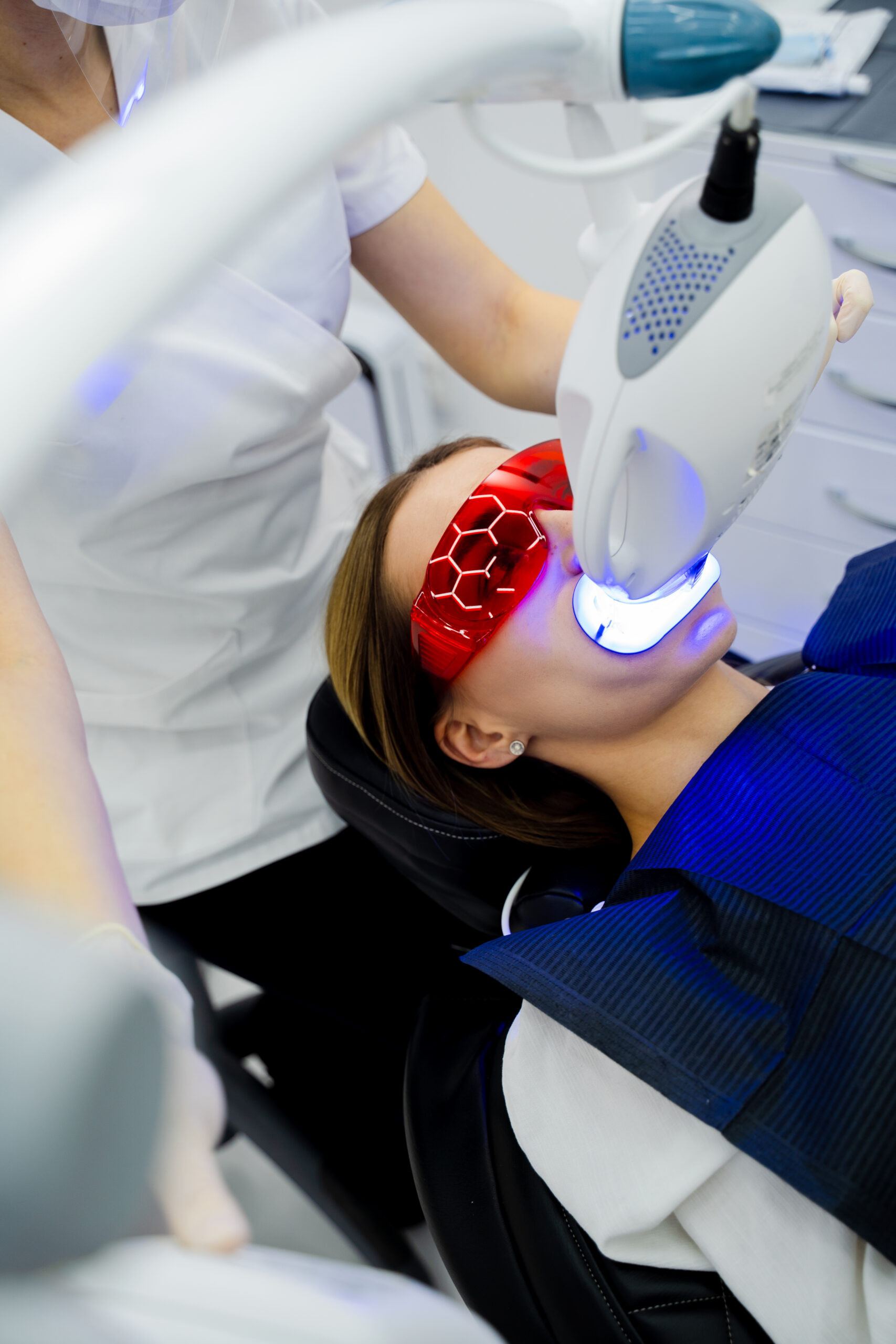
Professional teeth whitening results may remain noticeable for months or years, depending on the cause of discoloration, oral hygiene, diet, tobacco use, and the whitening method used. The treatment does not permanently prevent new stains, but good maintenance and dentist-guided touch-ups can help preserve a brighter shade.
Professional teeth whitening can make a noticeable difference to a smile, but the result is not permanent. Two patients who undergo whitening on the same day may see their results change at different rates. Someone who drinks black coffee several times a day, for example, may notice staining return sooner than someone who rarely consumes strongly pigmented foods and drinks.
A thoughtful whitening plan should therefore consider more than the shade achieved during the appointment. It should also account for the original cause of discoloration, existing restorations, tooth sensitivity, daily habits, and how the result will be maintained over time.
Is Professional Teeth Whitening Permanent?
Professional teeth whitening changes the color or shade of natural teeth by using a peroxide-based whitening agent to break down stain compounds. It does not permanently prevent new stains from developing. After treatment, the teeth remain exposed to pigments from coffee, tea, red wine, tobacco, sauces, and other sources. Natural changes within the teeth can also continue as a person ages. These factors gradually affect the brightness of the smile. However, this does not mean the teeth immediately return to their original shade. Whitening generally creates a lighter starting point. Even when some staining returns, the smile may remain brighter than it was before treatment, particularly when the patient maintains good oral hygiene and follows appropriate aftercare. The American Dental Association explains that whitening may not work equally well on every tooth and that the most appropriate method depends on the condition of the teeth and the type of discoloration present. Its patient guidance on teeth whitening also notes that temporary sensitivity can occur when peroxide passes through the enamel and reaches the underlying dentin.How Long Can the Results Last?
There is no universal expiry date for professional whitening. How long results remain noticeable varies widely; some patients may want a touch-up earlier, while others maintain their shade for longer. The duration is affected by several overlapping factors rather than by one fixed timeline.The Original Cause of Discoloration
Surface stains caused by coffee, tea, tobacco, or strongly coloured food may respond differently from deeper colour changes associated with ageing, medication, trauma, or the natural shade of the dentin. A patient with mainly external staining may achieve a clear improvement after professional cleaning and whitening. A tooth that has darkened after trauma may not respond predictably to conventional whitening and should be assessed before treatment. Before whitening, the dentist should identify why the teeth appear darker. This helps establish whether bleaching is likely to produce the desired result or whether another option should be considered.Food, Drinks, and Tobacco Use
Frequently consuming pigmented substances can shorten the visible life of a whitening result. Common examples include:- Coffee and tea
- Red wine
- Cola and dark juices
- Curry and tomato-based sauces
- Soy sauce
- Tobacco products
Oral Hygiene and Professional Cleaning
Plaque and surface deposits can make the teeth appear duller even when the underlying whitening result has not completely faded. Consistent brushing and interdental cleaning help maintain a cleaner surface. Professional dental cleaning may also remove deposits that ordinary brushing cannot address. However, a cleaning and a whitening treatment serve different purposes. Cleaning removes plaque, calculus, and some external stain, while whitening changes the shade of the natural teeth through a bleaching process.The Whitening Method Used
In-office whitening generally uses professionally selected materials and concentrations under controlled conditions. Dentist-supervised take-home whitening may use custom trays and a lower-concentration gel over several days or weeks. Both methods may be appropriate, depending on the patient’s goals, tooth sensitivity, schedule, and clinical findings. The ADA notes that in-office bleaching products typically contain a higher percentage of peroxide than at-home formulations, while custom trays provide gradual whitening over multiple applications. The most intensive treatment is not automatically the most suitable treatment. A carefully selected protocol should aim for an attractive improvement while managing sensitivity and protecting the surrounding tissues.Why Whitening Results Differ From Person to Person
Tooth colour is influenced by both enamel and dentin. Enamel is translucent, which means the deeper colour of the dentin contributes to the overall appearance of the tooth. One patient may begin with yellow-toned teeth that respond predictably to whitening. Another may have grey or brown discoloration that is more resistant. Existing fillings, crowns, veneers, and bridges also affect the overall result because restorative materials do not whiten like natural enamel. For example, a patient may have a tooth-coloured crown on one upper front tooth. Whitening the surrounding natural teeth could make that crown appear darker by comparison, even though the crown itself has not changed. In such cases, treatment sequencing matters. The dentist may recommend whitening first, allowing the shade to stabilise, and then evaluating whether an older restoration needs replacement to match the new colour.Does Whitening Cause Sensitivity?
Some patients experience temporary sensitivity during or after whitening. This may feel like a brief response to cold air, water, or food rather than continuous pain. Sensitivity can vary according to:- The concentration of the whitening material
- How long it remains against the teeth
- The patient’s existing sensitivity
- Exposed root surfaces
- Enamel wear, decay, cracks, or leaking restorations
- How frequently the treatment is repeated
When Should You Consider a Whitening Touch-Up?
A touch-up may be appropriate when the smile has gradually lost some brightness but the teeth and gums remain healthy. The timing should be based on clinical need rather than a rigid schedule. Some patients may benefit from a dentist-supervised touch-up after several months, while others may not need one for much longer. More frequent whitening is not necessarily better. Overusing whitening products can irritate the gums and may damage the teeth when products are used incorrectly. The ADA advises patients to follow directions and discuss whitening with a dentist rather than repeatedly applying products without professional guidance. A touch-up plan may involve a limited number of applications using custom trays rather than repeating a complete in-office session. The most appropriate approach depends on the remaining shade, sensitivity, and the condition of the teeth.How to Help Your Whitening Results Last Longer
The first day or two after treatment often receives the most attention, but long-term habits have a greater influence on how the smile changes. To preserve the result:- Brush twice daily with a soft-bristled toothbrush.
- Clean between the teeth each day.
- Rinse with water after coffee, tea, wine, or strongly coloured meals.
- Avoid smoking and tobacco use.
- Attend regular dental examinations and professional cleanings.
- Use only dentist-recommended whitening products.
- Avoid repeating whitening treatments more frequently than advised.
When Whitening May Not Be the Right Solution
Not every dark or unevenly coloured tooth requires bleaching. Whitening may have limited effect on:- Crowns, veneers, and fillings
- Teeth with certain internal stains
- A single tooth darkened by trauma
- Severe enamel defects
- Colour differences caused by underlying dental disease

