


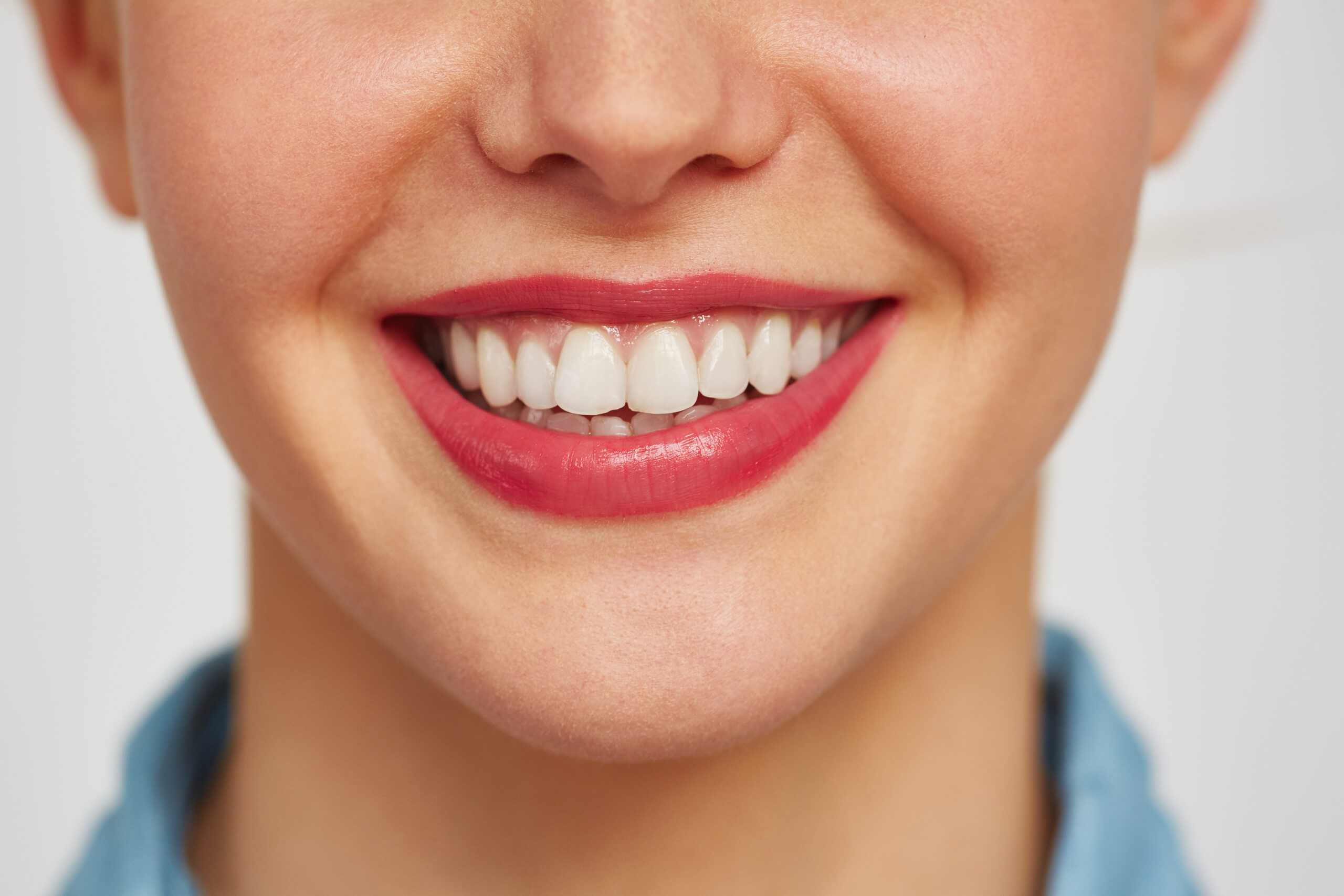
Teeth whitening is one of the most requested cosmetic dental treatments because the goal feels simple: a brighter, cleaner-looking smile. For many patients, it is considered before a wedding, graduation, career milestone, public-facing event, or even after noticing that their smile looks duller in photos than it does in person.
Still, the most satisfying whitening results begin with realistic expectations. Whitening does not produce the same outcome for every patient. Tooth color is influenced by enamel thickness, diet, age, previous dental work, oral habits, medication history, and the type of discoloration present.
For patients considering treatment at the best dental clinic in Manila, the value of a professional consultation is not simply access to whitening products. It is the ability to understand what shade improvement is realistic, how sensitive the teeth may become, and whether whitening is the right first step for the smile they want to achieve.
At Elevate Dental, teeth whitening is approached with the same level of care expected from refined aesthetic healthcare. The goal is not to create an artificial white result. It is to help patients achieve a brighter smile that still looks natural, balanced, and appropriate for their features.
The American Dental Association explains that teeth whitening options may include in-office whitening, dentist-supervised products, and over-the-counter products, but professional guidance helps determine which option is appropriate for each patient.
Why are whitening results different for every patient
Two patients may receive the same whitening treatment and still achieve different results. This is because tooth color is not determined by surface stains alone. Some discoloration sits on the outer enamel, while other color changes come from deeper within the tooth structure.
A patient who drinks coffee or tea daily may have surface stains that respond well to whitening. Another patient may have darker teeth because of aging, enamel thinning, trauma, or medication-related discoloration. These cases require a more careful discussion because the expected shade change may be more limited.
During a whitening consultation, the dentist looks at the type of discoloration, the condition of the enamel, the presence of fillings or crowns, and the patient’s history of sensitivity. These details help determine whether whitening can meet the patient’s expectations or whether another cosmetic approach may be more appropriate.
We handle this conversation before treatment begins. Patients are guided through what can realistically improve, what may not change, and what result would still look refined once the teeth are viewed with the lips, skin tone, and overall facial expression.
What professional whitening can usually improve
Professional whitening is often effective for yellow-toned discoloration caused by food, beverages, age, and certain lifestyle habits. Patients may notice that their smile appears fresher, cleaner, and more luminous after treatment. The change can be subtle or more visible depending on the starting shade.
For example, a patient who frequently drinks iced coffee may see a meaningful improvement after professional whitening, especially if the stains are mostly external. Someone preparing for corporate headshots or a formal event may appreciate a brighter smile that looks polished without appearing overly treated.
The most elegant results are not always the whitest possible results. In many cases, a natural brightness looks more refined than a flat, opaque white shade. The teeth should still have depth, translucency, and harmony with the rest of the face.
This is where clinical judgment matters. A whitening result should not be judged only by how many shades lighter the teeth become. It should also be assessed by how naturally the new brightness suits the patient.
What whitening cannot change
Whitening does not change the color of dental restorations. Crowns, veneers, and fillings will remain the same shade even after the natural teeth become brighter. This is one of the most important details to discuss before whitening begins.
For instance, if a patient has an old filling on a front tooth, whitening the surrounding teeth may make that restoration more noticeable. The natural tooth structure may brighten, while the filling stays the original color. This does not mean whitening is impossible, but it may need to be planned alongside future restoration replacement.
Whitening also may not fully correct gray, brown, or trauma-related discoloration. A tooth that darkened after injury may require a different treatment plan. In some cases, veneers, bonding, or internal bleaching may be discussed depending on the diagnosis.
At our dental clinics, these limitations are explained clearly so patients are not left expecting a result that whitening cannot provide. This kind of expectation-setting is especially important in cosmetic dentistry, where disappointment often comes from unclear planning rather than from the treatment itself.
Why the starting shade matters
The starting shade of the teeth plays a major role in the final result. Teeth with warmer yellow undertones often respond more visibly to whitening than teeth with gray or translucent undertones. This is why two patients may both brighten by several shades but still look different afterward.
A younger patient with surface staining from tea may achieve a fresher result quickly. Meanwhile, an older patient with thinner enamel may notice that the teeth brighten, but still retain some natural depth or warmth. Both outcomes may be successful if the expectations were properly set from the beginning.
The dentist may use shade references or digital images to help the patient understand the starting point. This allows the consultation to move away from vague goals such as “very white” and toward a more realistic discussion of what will look balanced.
In aesthetic care, restraint can be as important as transformation. The most flattering shade is often the one that makes the smile look healthier and more radiant without drawing attention to the whitening itself.
How facial features influence the ideal whitening result
A smile does not exist separately from the face. Tooth color is seen alongside lip tone, skin tone, facial shape, and the way a person smiles or speaks. A shade that looks attractive on one person may look too sharp or too artificial on another.This is why we consider whitening as part of the patient’s overall appearance, not only as a shade adjustment. For patients planning a broader aesthetic transformation, tools such as the RayFace 3D Facial Scanner may support a more complete understanding of how the teeth relate to facial structure.
For example, a patient with naturally soft features may benefit from a bright but warm result rather than an extremely cool white shade. Another patient with stronger facial contrast may be able to carry a slightly brighter result while still looking natural.
These decisions may seem subtle, but they affect whether the final smile feels harmonious. Whitening should enhance the face, not compete with it.
Why sensitivity should be discussed before whitening
Temporary sensitivity is one of the most common concerns after whitening. Some patients feel mild discomfort with cold drinks, cool air, or brushing for a short period after treatment. For most people, this is manageable, but it should still be discussed in advance.
Patients who already have sensitive teeth, gum recession, enamel wear, exposed root surfaces, or small cracks may need a more cautious approach. A real-world signal is the patient who avoids ice water because it causes a sharp sensation. That patient should not begin whitening without first discussing sensitivity risk.
The dentist may recommend a desensitizing routine, adjusted timing, or a more conservative whitening plan. In some cases, it may be better to treat sensitivity first before focusing on cosmetic improvement.
The comfort conversation is not limited to the treatment chair. Patients are guided on what they may feel afterward, what is normal, and when they should call the clinic. This reduces uncertainty and makes the process feel more controlled.
How oral health affects whitening results
Whitening works better when the teeth and gums are healthy. Plaque, tartar, gum inflammation, and untreated cavities can affect both the result and the patient’s comfort. A brighter shade will not look polished if the surrounding gums are irritated or if surface buildup remains.
This is why a dental cleaning or examination may be recommended before whitening. If tartar is visible near the gumline, removing it first allows the whitening result to look cleaner and more even. If a cavity is present, it should be addressed before any whitening product is applied.
Patients sometimes assume whitening is a purely cosmetic treatment, but it still belongs within proper dental care. The foundation matters. Healthy gums, clean enamel, and stable restorations all contribute to a better final appearance.
This clinical sequence also protects the patient. It ensures that cosmetic treatment does not distract from dental issues that need attention first.
Why older dental work must be reviewed first
Many adults have existing fillings, crowns, veneers, or bonding, especially on visible teeth. These restorations may have matched the tooth color when they were first placed, but they may no longer blend well after whitening.
For example, a patient with bonding on the edges of the front teeth may find that the natural enamel becomes brighter while the bonded areas remain unchanged. This can create a patchy appearance if it was not planned properly.
A careful consultation helps identify these concerns early. The dentist may recommend whitening first, then replacing visible restorations afterward to match the new shade. In other cases, whitening may not be the most efficient option if most of the visible smile is already restored.
This type of planning is part of responsible aesthetic treatment. The goal is not just brighter teeth, but a smile that looks cohesive when the patient talks, smiles, and moves naturally.
How Invisalign and alignment may affect the appearance of brightness
Sometimes, teeth appear darker because of crowding, rotations, or shadows between teeth. In these cases, whitening may improve the color, but it may not fully address the visual concern. Alignment can affect how light reflects across the smile.
A slightly rotated tooth, for instance, may remain shadowed even after whitening. The patient may describe the smile as uneven or dull, when the deeper issue is tooth position rather than shade alone. This is where a broader smile assessment becomes useful.
For patients who may benefit from tooth movement before cosmetic finishing, Invisalign may be discussed. Elevate Dental is a Platinum Invisalign Provider, and digital tools such as the iTero Scanner can help evaluate alignment and show how tooth position affects the overall smile.
This does not mean every whitening patient needs orthodontic treatment. It simply means the dentist should identify when whitening is enough and when a staged approach may create a more refined result.
How long whitening results may last
Whitening results are not permanent because teeth continue to be exposed to food, drinks, and daily habits. Coffee, tea, red wine, dark sauces, and smoking can gradually stain the teeth again. However, results can last longer when patients understand how to maintain them.
A patient who drinks coffee twice a day may need different maintenance advice from someone who rarely consumes staining beverages. The dentist may recommend rinsing with water after coffee, avoiding frequent sipping over several hours, and maintaining regular cleanings.
Maintenance should not mean excessive whitening. Overusing whitening products can increase sensitivity and may irritate the gums. A measured plan is usually more comfortable and more sustainable.
Patients are guided on realistic maintenance rather than pressured into repeated treatments. The aim is to preserve brightness while respecting the health and comfort of the teeth.
What to expect after treatment
After whitening, the teeth may look brighter immediately, though the final appearance can continue to settle. Some patients may notice temporary sensitivity, especially within the first day or two. The dentist may advise avoiding strongly colored food and drinks for a short period after treatment.
Common examples include coffee, tea, red wine, curry, soy sauce, and deeply colored juices. These do not need to be avoided forever, but being mindful shortly after whitening can help support the result.
Patients should also continue brushing and flossing as instructed. Whitening changes shade, but it does not replace daily oral care or routine dental visits. A polished smile still depends on healthy gums and clean tooth surfaces.
When aftercare instructions are clear, patients feel more confident about protecting their result. They know what to avoid temporarily, what sensations are expected, and how to maintain the brightness responsibly.
When whitening may not be the right first step
Whitening may not be the ideal first treatment for every patient. If the main concern is uneven tooth shape, worn edges, deep discoloration, or mismatched restorations, another cosmetic option may be more suitable. Veneers, bonding, replacement restorations, or orthodontic treatment may need to be considered.
For example, a patient may request whitening because they feel their smile looks tired. During examination, the dentist may find that the issue is actually worn edges and old restorations rather than tooth color. In that case, whitening alone may create only limited improvement.
This is why the first consultation should include a full smile evaluation. The dentist’s role is not simply to agree to whitening, but to guide the patient toward the treatment sequence that makes the most sense.
This kind of guidance reflects the clinic’s calm and considered approach. Patients are given options with clear explanations, allowing them to make decisions with confidence rather than urgency.
Conclusion
Teeth whitening can create a brighter, fresher smile, but the results depend on many factors. The type of stain, starting shade, enamel condition, sensitivity risk, existing restorations, oral health, and lifestyle habits all influence what a patient can realistically expect.
We approach whitening with precision, restraint, and aesthetic awareness. The goal is not an exaggerated shade change. It is a natural-looking improvement that supports the patient’s confidence while still respecting the health and character of the teeth.
For those considering whitening at the best dental clinic in Manila, a consultation with Elevate Dental can help clarify the right treatment path, expected shade improvement, sensitivity considerations, and maintenance plan.
A brighter smile should not feel uncertain or overdone. With thoughtful planning, professional guidance, and realistic expectations, whitening can become a refined step toward a smile that feels healthier, clearer, and more naturally luminous.
A consultation with Elevate Dental can help clarify the safest and most suitable path toward a brighter smile. Schedule an appointment or call us to discuss your whitening options with a dentist.

